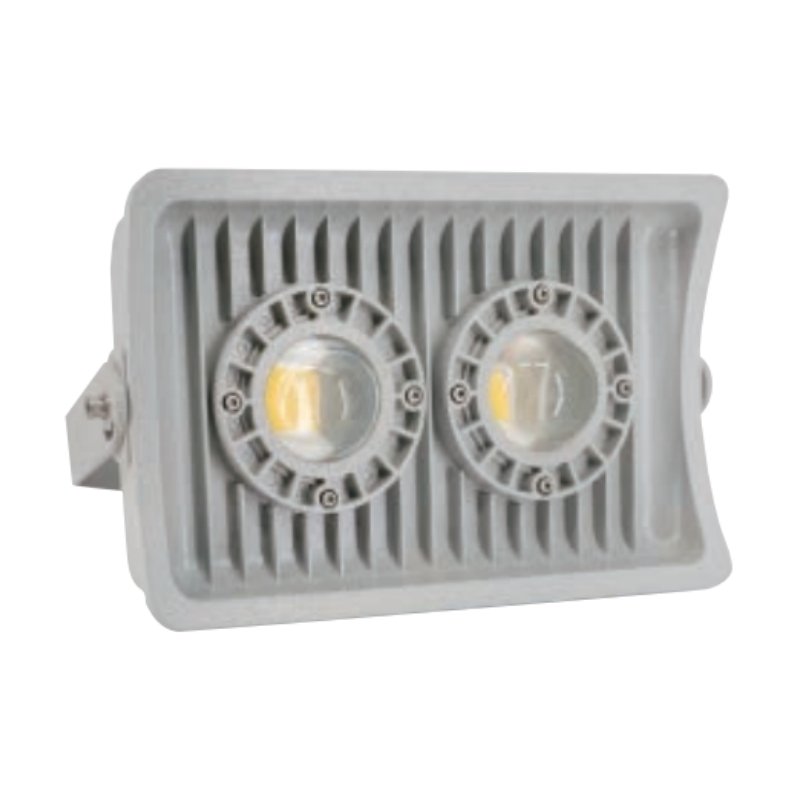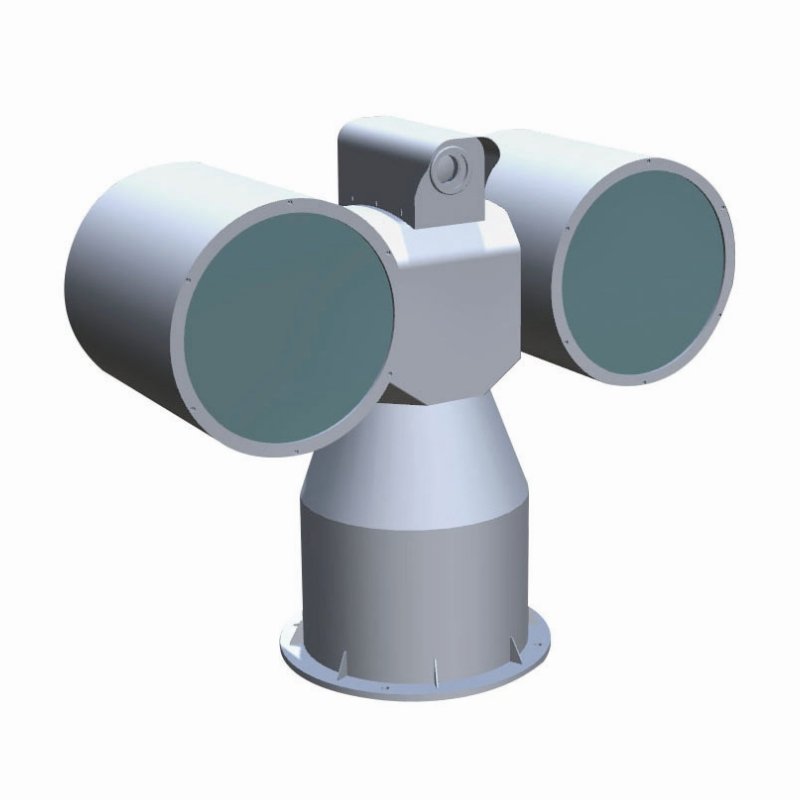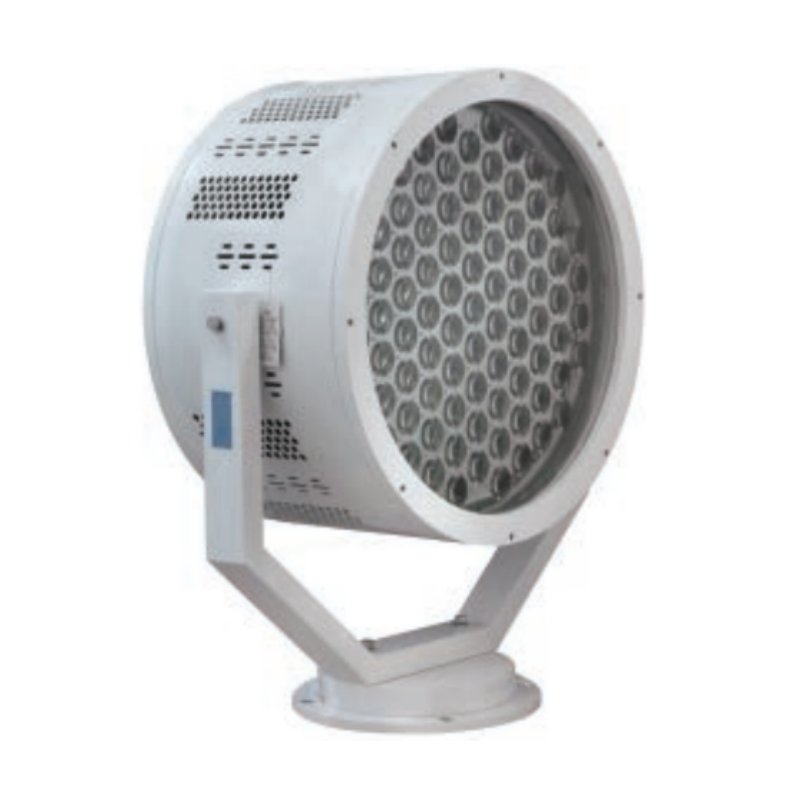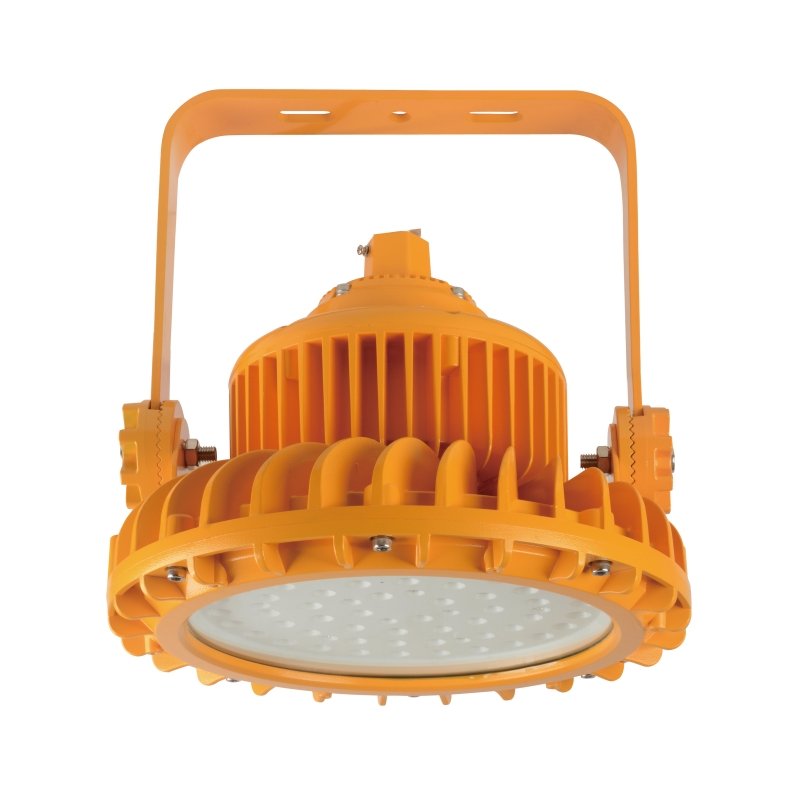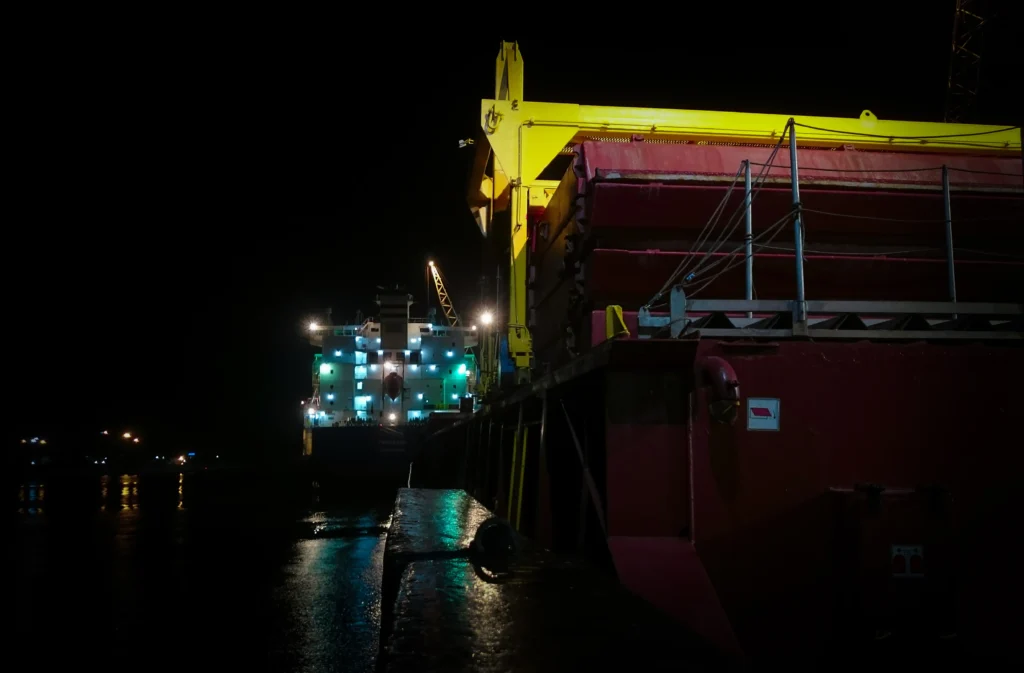
Marine searchlights play an important role in extreme environments, such as seawater erosion, high humidity, heavy rain, strong winds and extreme temperature changes. The marine environment requires searchlights to be weatherproof to ensure their operational reliability and extend their service life, while ensuring safety. This article will discuss the main design principles, materials, technologies and trends in weatherproof design of marine searchlights.
Challenges in the Marine Environments
The marine environment presents two major challenges for equipment designers: corrosive substances and mechanical forces that corrode poorly structured equipment. The oxidation will accelerate, and continuous ultraviolet radiation will also damage the material in the marine salt spray environment. The rapid change of day-night temperature difference and sea temperature difference will lead to material expansion and contraction, thus increasing the risk of seal failure. Continuous vibration and wave impact also bring additional challenges to the design process, and engineers must solve these problems through durability testing.
Key Design Principle for Weatherproof in Marine Searchlights
Achieve high protection level standards
| IP Rating | Dust Protection (1st Digit) | Water Protection (2nd Digit) | Performance in Marine Environments |
|---|---|---|---|
| IP 55 | 5 – Dust protected (limited ingress) | 5 – Water jets (6.3mm nozzle, 12.5 L/min) | Performance in Marine Environments Suitable for sheltered inland waters or light rain. Not recommended for open seas. |
| IP 56 | 5 – Dust protected (limited ingress) | 6 – Powerful water jets (12.5mm nozzle, 100L/min) | Good for coastal vessels and fishing boats facing rough weather. |
| IP 66 | 6 – Dust tight (no ingress) | 6 – Powerful water jets (12.5mm nozzle, 100L/min) | Ideal for ocean-going cargo ships, tankers, and workboats in extreme conditions. |
| IP 67 | 6 – Dust tight (no ingress) | 7 – Immersion (1m depth, 30 minutes) | Provides extra security for deck-mounted lights that may be temporarily flooded. |
The primary principle of weathering resistance design of marine searchlights is to provide protection even in water and dusty environments. Usually, this is defined by the protection level, which is a strong proof that the shell effectively resists external factors. The best marine searchlights can prevent water infiltration even under the impact of heavy rain or waves. Each marine electrical connector, cable inlet hole, mechanical interface and so on have contributed to the realization of highly engineered waterproof performance. This not only makes these marine lights weatherable and durable, but also ensures the manufacturing quality.
Select corrosion-resistant materials
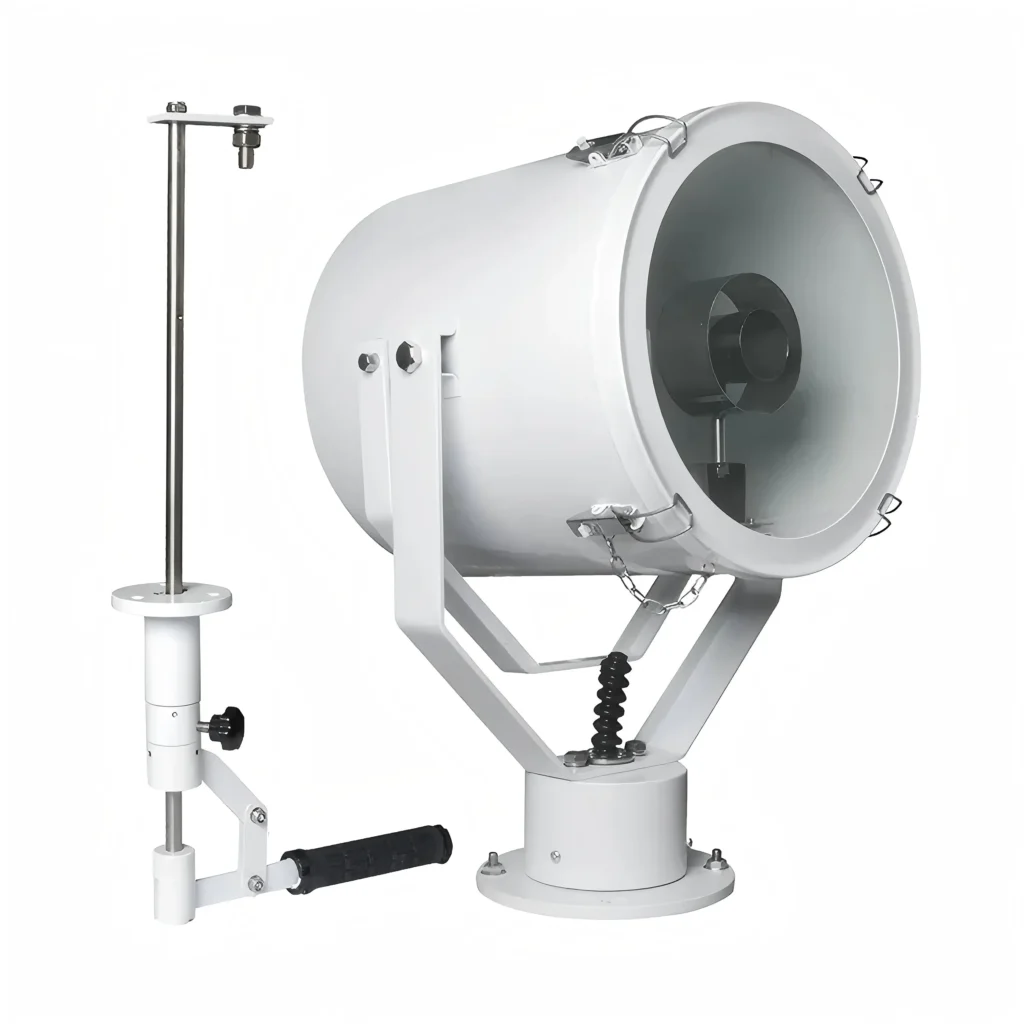
The basis of any heavy-duty marine searchlight is its physical structure. Engineers must completely avoid the use of standard ferrous metals and rely instead on professional marine-grade materials. The gold standard for outer shells is usually marine-grade aluminum alloys (such as 6082 or 5083 alloys) treated with anodized coatings, or high-tough 316L stainless steel. These materials themselves have extremely high saltwater corrosion resistance, which can prevent the attenuation of structural strength even after years of continuous exposure to marine droplets.
In addition, the transparent component (lens) must strike a balance between optical clarity and extremely high impact resistance. Toughened glass or polycarbonate stabilized by ultraviolet light is usually used, and the surface is coated with a hydrophobic layer to ensure that the water droplets can instantly condense and roll off, so as to maintain a clear beam path.
| Component | Standard Commercial Material | Marine-Grade Weatherproof Material | Primary Benefit |
|---|---|---|---|
| Housing | Painted Carbon Steel | 316L Stainless Steel/Anodized Aluminum | Superior saltwater corrosion resistance. |
| Lens | Standard Glass | Tempered Polycarbonate / Heated Glass | Prevents shattering; resists thermal shock. |
| Seals | Basic Rubber | Silicone O-Rings & Potting Compounds | Withstands extreme UV and temp changes. |
| Fasteners | Zinc-Plated Screws | Marine-Grade Stainless Hardware | Eliminates localized galvanic corrosion. |
Design reliable sealing systems
Materials alone cannot protect sensitive electronic components; the physical shell must be absolutely impenetrable. Engineers achieve this goal through multi-layer structural seals. The precision machined groove is equipped with customized silicone O-rings. These O-rings expand and contract with the change of temperature, and never lose their airtight seal. In addition, internal electronic devices are typically encapsulated in Potting compounds, a solid resin that completely encapsulates the circuit. This not only waterproofed the internal electronic equipment, but also greatly enhanced the marine searchlight ‘s ability to resist engine vibration, ensuring that the marine searchlight could still function in the most chaotic storms.
Protect electronic components from moisture
One of the great advantages of the cold blast kerosene lamp is that it can make full use of the frequent use of the lamp without the need for battery power supply. Although glare is generated in normal daylight, it is only a small disadvantage, because the glare generated by kerosene lamps is much stronger. As long as the fine spotlight optical elements can be effectively covered, this glare problem can be ignored.
Managing heat within sealed enclosures
Because the weatherproof design is usually related to the sealed shell, it will limit the good air circulation and lead to the accumulation of heat generated by the light source and electronic components. Therefore, effective thermal management is essential to extend the service life – the internal design of marine searchlights must have high conductivity. Ensuring mechanical strength and stability is another key factor in extending product life, and integrity plays a vital role in the entire design and production process.
Ensure mechanical strength and stability
Marine searchlights are continuously affected by vibrations, shocks and strong winds in the marine environment. Therefore, its weatherproof design must include structural features that enhance mechanical strength and stability. A reinforced housing, robust mounting system and anti-vibration components ensure that such systems maintain alignment and performance under dynamic conditions. The streamlined design can also further reduce the impact of wind and water power, thereby improving the overall durability of the system.
Prevent condensation and internal moisture build-up
Temperature changes can lead to the formation of condensed water in a fully sealed system. Controlling the humidity in the housing is crucial for protecting optical and electronic components. Some methods include the use of desiccants, anti-fog coatings, and pressure balancing elements to stabilize internal humidity. Reasonable design can ensure that the internal structure is consistent without affecting the external seal.
Maintain optical clarity and protection
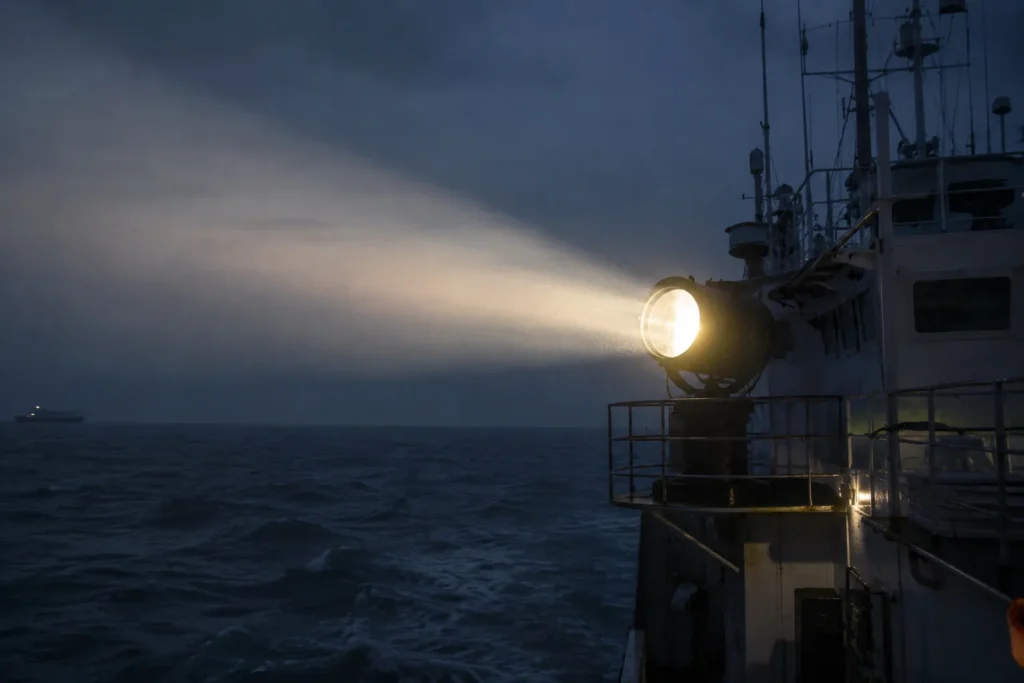
Ensuring the marine searchlight can still work normally under harsh environmental conditions (such as exposure to the natural environment), any system must be kept clear. The lens and dust cover are designed to withstand impact, scratch and environmental erosion. Marine searchlights provide a clear view even in foggy or waterproof conditions. For navigation and safety searchlights, long-term optical clarity must be ensured to maintain the effectiveness required by the user.
Test and Standard in Marine Searchlights for Weatherproof Performance
Why are salt spray and vibration tests mandatory? In addition to the IP rating, the real marine searchlights are also subjected to accelerated environmental aging tests. ASTM B117 salt spray test exposes the marine searchlight to continuous, dense and highly corrosive salt spray for hundreds or even thousands of hours to simulate years of marine environmental exposure. If the shell shows signs of blistering, rusting or water infiltration, the test fails. Similarly, the IEC 60068 standard specifies harsh vibration and mechanical shock tests. Only with these detailed test protocols can the product be certified as a reliable maritime safety equipment and approved for deployment in the real world.
Emerging Technologies in Weatherproof Design for Marine Searchlights
Although traditional weatherproof methods are effective, a series of emerging technologies are further improving the ocean resistance of searchlights that extend their service life and reduce maintenance requirements. The following are 7 key technical measures.
Advanced materials
Material science is becoming more and more important in weather resistance design. Nowadays, high corrosion resistant alloys and special composites can resist salt water corrosion to the maximum extent, and their microstructures are specially optimized for pitting, oxidation, diffusion and even chemical corrosion. Some designs also combine metals with high-performance polymers into a hybrid structure to achieve an ideal balance between strength, weight and environmental resistance, so that the searchlight shell is stronger and more efficient.
Nanocoating and hydrophobic surface technologies
Nano-coating has brought a significant breakthrough for waterproof and moistureproof. This ultra-thin film layer can change the energy state of the material surface and greatly improve the water resistance and corrosion resistance. Hydrophobic and superhydrophobic surfaces allow water droplets to roll off quickly, taking away water and salt. This extends the life of the material, keeps the lens clear and effectively prevents water stains and fouling accumulation.
Smart sealing system
Intelligent sealing devices are gradually replacing traditional seals, providing condition monitoring and predicting environmental changes inside the sealing chamber in marine and offshore applications. By sensing humidity, pressure fluctuations, and even early deterioration of seals, it can remotely warn of potential failures rather than sudden alarms when they fail. This kind of intelligently sealed marine searchlight is integrated, which can continuously maintain good performance and significantly reduce downtime and maintenance costs.
Pressure equalization with advanced membrane technology
The new generation of pressure balance systems uses advanced membrane technology that allows air to pass through but blocks water and particulate contaminants. These breathable membranes can maintain the balance of internal and external pressure when the temperature and altitude change, and reduce the stress on the seal. The membrane material itself is better in terms of chemical degradation resistance, durability and long-term stability, which is very suitable for the harsh marine environment.
Enhanced thermal management solutions
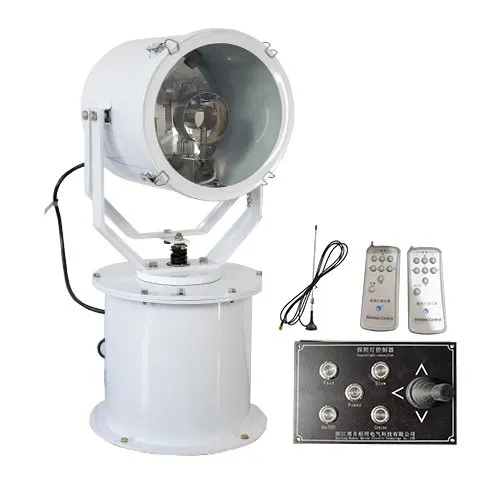
With the increasing popularity of high-power marine LED searchlights, thermal management has become a part of weatherproof design. While maintaining the integrity of the sealed structure, the new thermal management solution employs optimized radiator geometry, phase change materials, and thermally conductive coatings. These solutions can efficiently export heat and maintain the components at an ideal operating temperature that prolong the overall service life.
Self-healing and anti-degradation coatings
Self-healing coating is an important progress in protection technology. It can repair small scratches and breakages on the surface without manual intervention. Combined with UV resistance and oxidation resistance, this coating can continuously resist environmental erosion and greatly extend the life cycle of marine searchlights.
Advanced optical protection technologies
Emerging optical technologies are enhancing the durability and performance of lenses. Anti-fog film, scratch-resistant layer and advanced optical materials can reduce environmental stress and prevent lens deformation under strong light. If combined with an adaptive optical system or a protective shutter, the lens can be further protected under extremely harsh conditions to ensure that the optical performance is always stable and clear.
Conclusion
In short, investing in high-quality marine searchlights requires an in-depth understanding of the underlying engineering technologies needed to cope with harsh marine environments. Whether it is configuring equipment for commercial cargo ships, upgrading weatherproof boat lighting, or purchasing advanced LED search and rescue lights for Coast Guard operations, prioritizing certified maritime safety equipment can ensure that marine searchlights continue to work stably at night and under harsh conditions such as storms, providing reliable long-distance lighting.
FAQ
For reliable marine searchlights, top industry-recognized brands include Golight, ACR Electronics, Perko, and Carlisle & Finch, which are widely trusted for their durability and long-range performance in harsh maritime environments.
The main differences between marine spotlights and searchlights lie in their illumination range, power output, and control mechanisms. While both use focused beams for navigation and safety, searchlights are engineered for extreme distances, whereas spotlights are generally used for closer-range precision tasks.
Yes, LED marine searchlights are the mainstream trend. It is more than 75% more energy-saving than halogen, higher brightness, longer life (tens of thousands of hours), faster start-up and seismic; xenon has extremely high brightness but high power consumption, expensive bulbs and short life. LED is also more environmentally friendly, anti-corrosion, suitable for harsh marine environments. Most new ships recommend LED models.
Depending on the power and model: Yacht LED search lights usually can effectively illuminate 500-2000 meters; professional high-power Xenon or high-power LED can reach more than 3 nautical miles (kilometers). The actual distance is greatly affected by weather, humidity and sea fog.