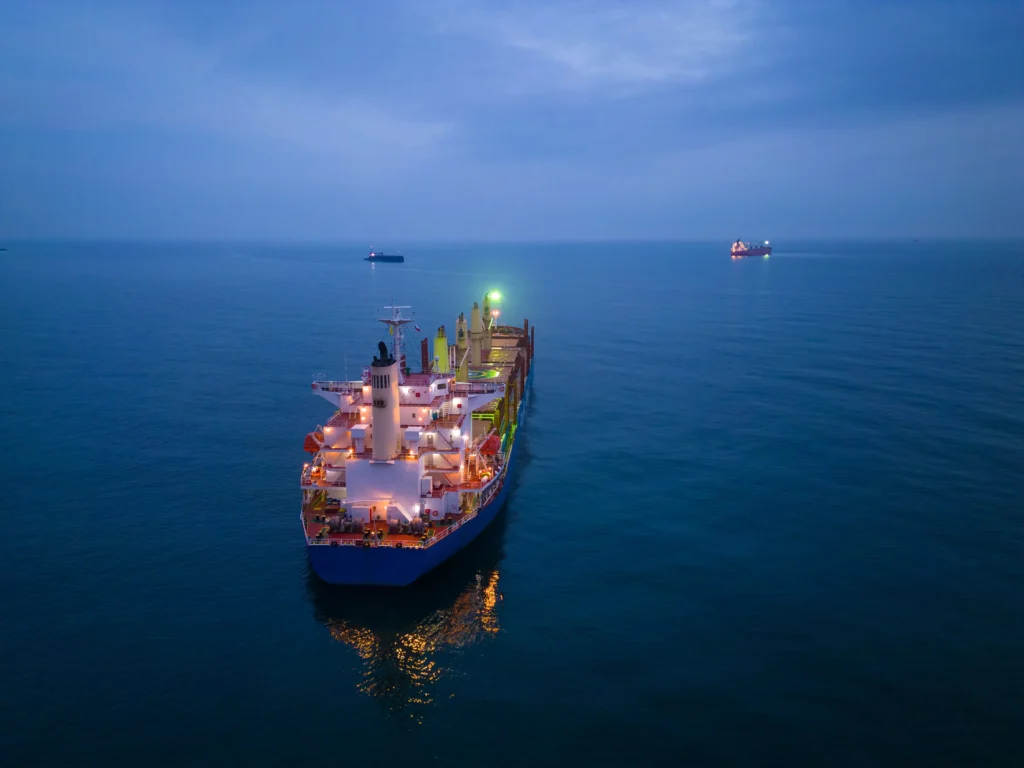
When purchasing lighting equipment for commercial ships, offshore platforms or operating ships, marine light certification is by no means a formality, but a fundamental guarantee for legal compliance, crew safety and global market access. An uncertified light may cause port-state detention or even lead to the failure of hull insurance. It may even lead to a maritime collision accident in extreme insurance.
This guide covers all the knowledge that purchasing managers, ship operators and marine equipment buyers need to master in marine lighting certification: 7 major certification bodies, the complete process of type approval, and how to match the correct certification with the specific ship type.
What is Marine Light Certification?
The marine light certification is a formal process. Lighting equipment including navigation lights, explosion-proof lights, flood lights and search lights, must be tested and approved by international authorities to confirm that the products meet the required safety, performance and environmental durability standards.
Certification is formally issued by classification societies and standards bodies after the product has completed design review, prototype testing and manufacturing audit. The final type approvalcertificate is issued to the shipyard, the flag state administration, the insurance company and the port authority, which shows that the equipment meets the requirements of the classification ship.
Why Is Marine Light Not an Option?
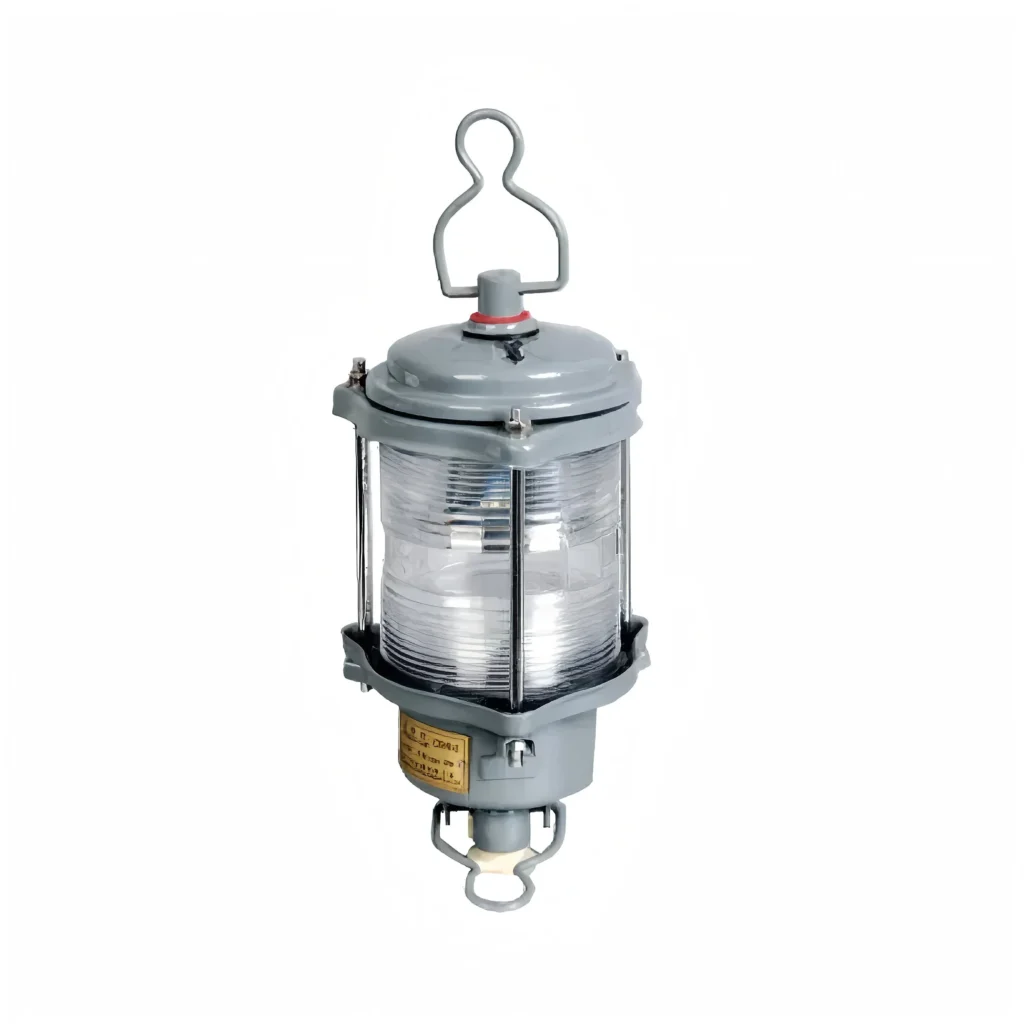
The marine operating environment is one of the most severe places on the earth. The equipment is exposed to salt spray, extreme temperature cycling, mechanical vibration and corrosive atmosphere for a long time. Qualified lighting products in industrial plants may have catastrophic failures at sea. The certification ensures that the lamps have been independently tested under the above real conditions.
In addition to product performance, certified marine lighting also brings three key commercial values:
- Legal compliance: SOLAS requires navigation lights and related equipment to be type approved by the competent authority (type approval). Non-compliant ships face the risk of port-state detention and flag-state sanctions.
- Insurance validity: Underwriters typically use certified equipment as one of the conditions of coverage for hull and machinery coverage. Uncertified lights may result in void policy.
- Market access: Shipyards and shipowners in regulated markets such as Europe, North America, and East Asia will not install lighting products that lack certification, making certification a prerequisite for participation in global supply chains.
The 7 Major Marine Light Certification Bodies
Understanding which certification bodies are crucial and the specific meaning of each certification is a necessary starting point for the procurement decision-making of certified marine lighting.
ABS – American Bureau of Shipping
Headquartered in Houston, Texas, the United States, ABS is one of the largest and most recognized classification societies in the world. ABS marine light approval is realized through three steps: Product Design Assessment (PDA), Manufacturer Assessment (MA) and Product Quality Assurance (PQA). After the three steps are completed, the product obtains the “Type Approved” status and is published in the ABS type approval database.
The ABS PDA certificate is valid for a period of 5 years and is subject to annual endorsement. For ABS-rated ships operating under the US flag, their lighting equipment must be compulsory to hold ABS approval, and this approval is widely accepted by many other classification societies and flag states.
Related Article: Certified By American Bureau Of Shipping In 2018
BV – Bureau Veritas, France
Bureau Veritas was founded in 1828 in Antwerp, Belgium. It is an international inspection and certification agency of France. BV certification enjoys a high reputation in the European market, and the certification cycle is about four months. For marine lighting manufacturers seeking to enter the European shipping market, BV type approval is the most significant qualification for commercial value after ISO 9001.
BV also performs the certification of the Wheelmark of the Marine Equipment Directive (MED) on behalf of the European Union. For ships operating under the banner of the European Union and the European Free Trade Association (EFTA) member states, their safety equipment must hold the mark.
CCS – China Classification Society
CCS is China’s national classification society and a full member of the International Association of Classification Societies (IACS). CCS certification is globally recognized, which is particularly important for ships operating in Chinese waters or flying the Chinese flag. The CCS equipment certificate has a validity period of 5 years and is known for a relatively fast certification cycle of about three months that make CCS type approval an important way for Chinese manufacturers to obtain certification efficiently. For buyers purchasing marine lighting from Chinese manufacturers, CCS certification is the most direct sign of product compliance.
Related Article: Certified by China Classification Society In 2020
DNV – Det Norske Veritas
Headquartered in Høvik, Norway, with approximately 12,000 employees in 350 offices worldwide, DNV is one of the world’s largest classification societies. DNV type approval is a common requirement for flag ships in Northern Europe, Germany and the Netherlands and is regarded as a top qualification in the offshore oil and gas industry. The DNV GL merger (now renamed DNV) brings together two of the world’s most stringent certification systems, making the DNV certificate a powerful endorsement of product quality in technically demanding application scenarios.
LR-Lloyd’s Register
Lloyd’s Register was founded in London in 1760 and formally reorganized in 1834. It is the oldest and longest-running classification society in the world. LR type approval is particularly important for ships operating in the UK, the Commonwealth and many Asian flag states. In terms of marine navigation lights, LR type approval is consistent with IMO resolution MSC.253 (83) performance standards and IEC 60945 environmental testing requirements.
RINA – Registro Italiano Navale
RINA was founded in Genoa in 1861. It is an Italian national classification society and an EU Recognised Organisation (EU RO). It operates according to EU Regulation (EC) No.391/2009. RINA can issue an EU Mutual Recognition (MR) type approval certificate, which is mutually accepted by all EU Accreditation Organizations (EU ROs) and applies to products installed on all parties’ classified ships. RINA has its own test laboratory for fire protection equipment and environmental durability. The type approval process includes drawing review and prototype test.
ISO 9001 + IEC 60945 – Manufacturing Quality and Performance Standard Framework
The classification society certificate confirms product compliance, while ISO 9001: 2015 and IEC 60945 constitute a broader framework for certifying marine lighting production and testing.
ISO 9001: 2015 is the international standard for Quality Management System (QMS). The manufacturer holds this certification, indicating that its production process is in a state of continuous control – a prerequisite for maintaining any classification society type approval.
IEC 60945 is an international standard that sets general requirements and test methods for shipboard navigation and radio communication equipment, covering the following:
- Electromagnetic Compatibility (EMC)
- Environmental durability: extreme temperature, humidity, salt fog, vibration
- Ingress Protection (IP)
- Power supply tolerance
IEC 60945 compliance is invoked in SOLAS and is often a necessary condition for type approval of ABS, LR, DNV or BV.
Type Approval of Marine Lights: How does the Process Work?
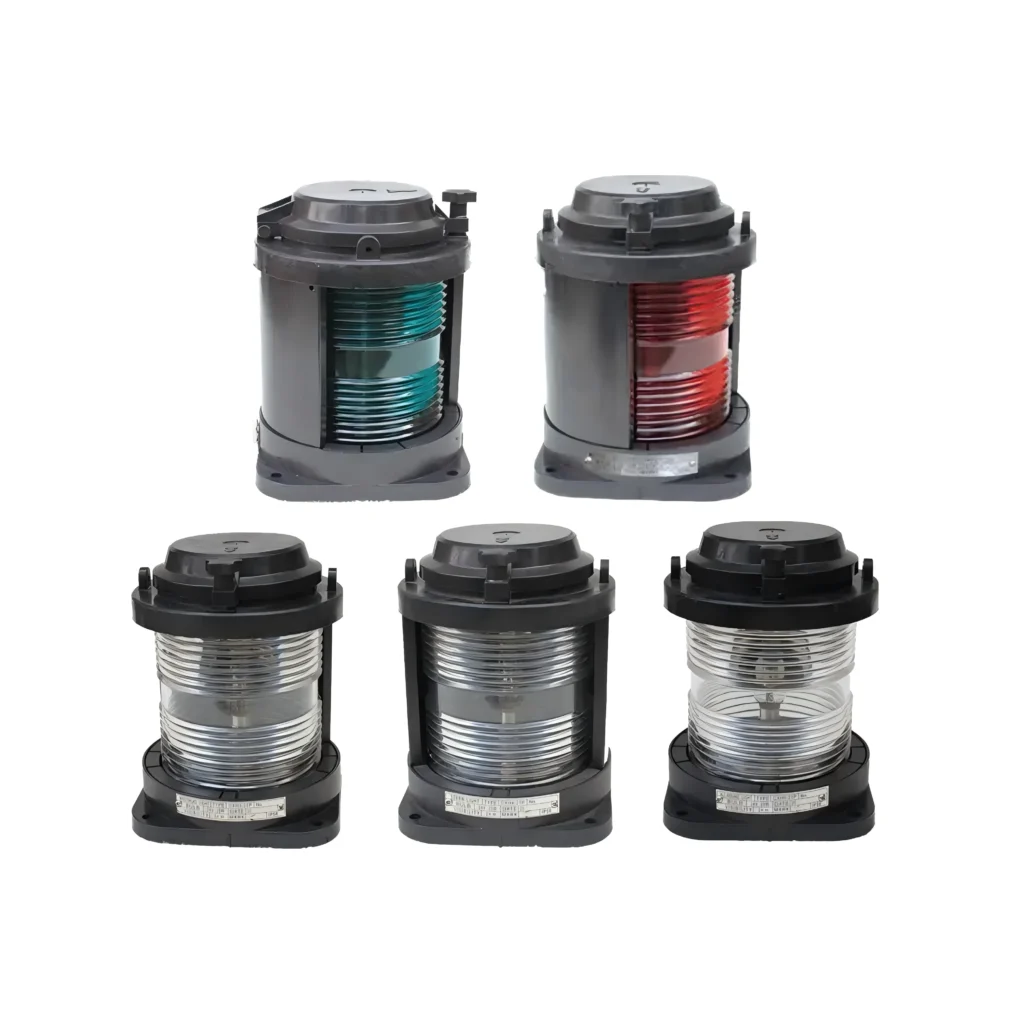
Type approval is the certification path most directly related to the manufacturer and the purchasing team, as it confirms that the entire product line – not a single sample – meets the approved standards.
The type approval process of marine lights usually includes the following stages:
Phase 1: Pre-Application Assessment
Manufacturers review applicable classification rules, COLREGs requirements and related IEC or IMO standards to identify gaps between existing design and certification requirements.
Phase 2: Technical Documentation Submission
Submit complete technical drawings, material specifications, schematics and quality system documents to the classification society for engineering review.
Phase 3: Prototype Testing
The prototype must undergo physical tests, including salt fog and corrosion resistance test, temperature cycling test, vibration testing, EMC test in accordance with IEC 60945, and photometric testing in accordance with COLREGs sector and strength requirements.
Phase 4 – Manufacturing Audit
The classification society surveyor goes to the production site to verify that the quality management system (usually ISO 9001) is in place and the production process can continue to review the approved design.
Phase 5: Certificate Issuance
Upon successful completion of the above steps, a type approval certificate will be issued usually valid for three to five years (depending on the classification society): the ABS PDA Certificate is valid for five years; CCS certificate is valid for 5 years; BV and most other institutions are four to five years.
Phase 6: Annual Endorsement and Renewal
The certificate must be renewed regularly. Before the expiration, it is necessary to re-examine the inspection and technical documents before issuing a new certificate.
How to Choose a Certified Marine Light?
After mastering the certification system, buyers can transform knowledge into actual procurement decisions.
| Ship type matching certification requirements table | ||
|---|---|---|
| Vessel/Application | Recommended Certifications | Key Standard |
| Commercial cargo/container vessel | ABS, LR, BV, or DNV (match flag state)+ISO9001 | SOLAS, COLREGs, IEC60945 |
| EU-flagged vessel | MED Wheelmark (BV or RINA)+ISO9001 | EN14744,SOLAS |
| Chinese-flagged/Chinese waters | CCS+ISO9001 | COLREGs, CCS rules |
| Offshore platform/FPSO | DNV or ABS + ATEX/IECEx (explosion-proof) | SOLAS, DNV-OS rules |
| Fishing vessel | Flag state type approval+ISO9001 | COLREGs, Torremolinos Convention |
| Yacht/recreational craft | MED Wheelmark or USCG-accepted | COLREGs Rule 22 |
| Navy/government vessel | Flag-state specific + ABS or DNV | Vessel-specific class rules |
Industry Application Guide: Which Kind of Light needs which Kind of Certification?
Commercial Cargo and Container Vessels
Large commercial ships operating on international routes must be equipped with navigation lights that are fully compliant with COLREGs, including masthead light, side light, stern light and anchor light, and must be recognized by classification societies recognized by the flag state. For ships over 50 meters, the navigation light controller must meet the requirements of SOLAS Chapter II-1 on dual power supply and bridge alarm. Explosion-proof lights should be installed in the cabins with flammable cargo vapor. In addition to the ship classification recognition, such lights must also hold ATEX (European Explosion-proof Certification) or IECEx (International Explosion-proof Certification) certificates.
Offshore Platforms and Oil & Gas Installations
Marine applications are the most demanding scenarios for marine lighting certification. Lights installed in hazardous areas (Zone 1 or Zone 2 explosive atmosphere) must hold both class approval (usually ABS or DNV) and ATEX/IECEx explosion-proof certification. Marine floodlights and searchlights must withstand continuous salt water erosion, high humidity and mechanical impact. DNV maritime norms and ABS ship construction and classification rules are the most frequently cited classification frameworks in this industry.
Fishing Vessels
Fishing vessels must comply with the Torremolinos International Convention for the Safety of Fishing Vessels and COLREGs at the same time. The navigation lights shall be subject to type approval by the competent authorities of the relevant flag State; lights (for use during netting and trawling operations) shall meet the durability requirements in a continuous salt water immersion environment. According to different ship registration countries, many flag states accept CCS, BV, LR or ABS type approval for fishing vessel equipment.
Yachts and Recreational Craft
For leisure boats and yachts, MED Wheelmark is the most widely recognized qualification in European waters; in US waters, it is required to obtain USCG (US Coast Guard, U.S. Coast Guard) certification (in line with UL 1104 or IMO MSC.253 (83) equivalent standards). The ABYC A-16 standard provides additional voluntary guidance for the installation of navigation lights for small boats. Although the regulatory burden on leisure ships is lower than on commercial ships, the visibility requirements of COLREGs Rule 22 still apply: boats below 12 metres are required to ensure that the lights are visible for at least 1 nautical mile.
Bozhou Marine: A Certified Marine Light Manufacturer
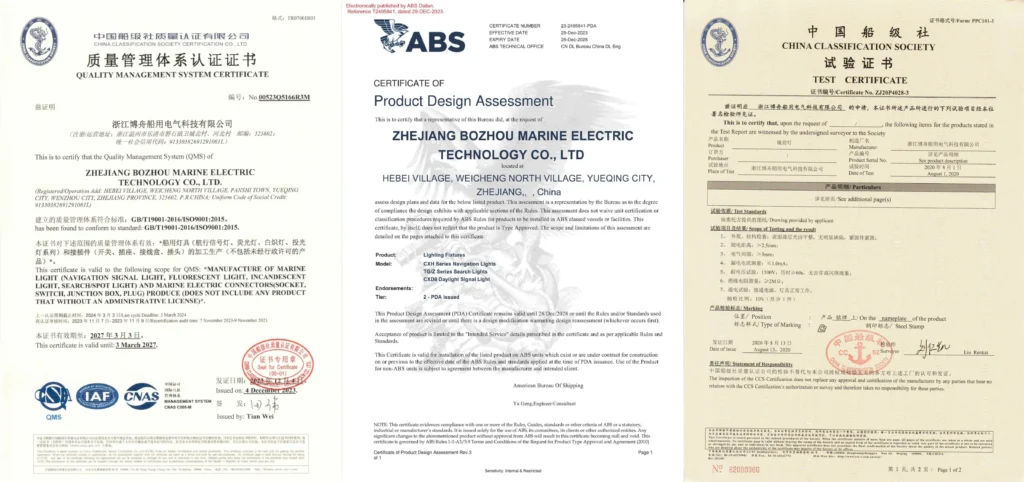
Bozhou marine is a professional manufacturer of marine lighting products, headquartered in Yueqing City, Zhejiang Province, China. The company holds ISO 9001: 2015 quality management certification and has received type approvals from several international classification societies, including ABS, BV, CCS and CECS, covering the following complete product lines:
- Marine Navigation Signal Lights: Masts, port lights, stern lights and ring lights that meet the requirements of COLREGs and SOLAS.
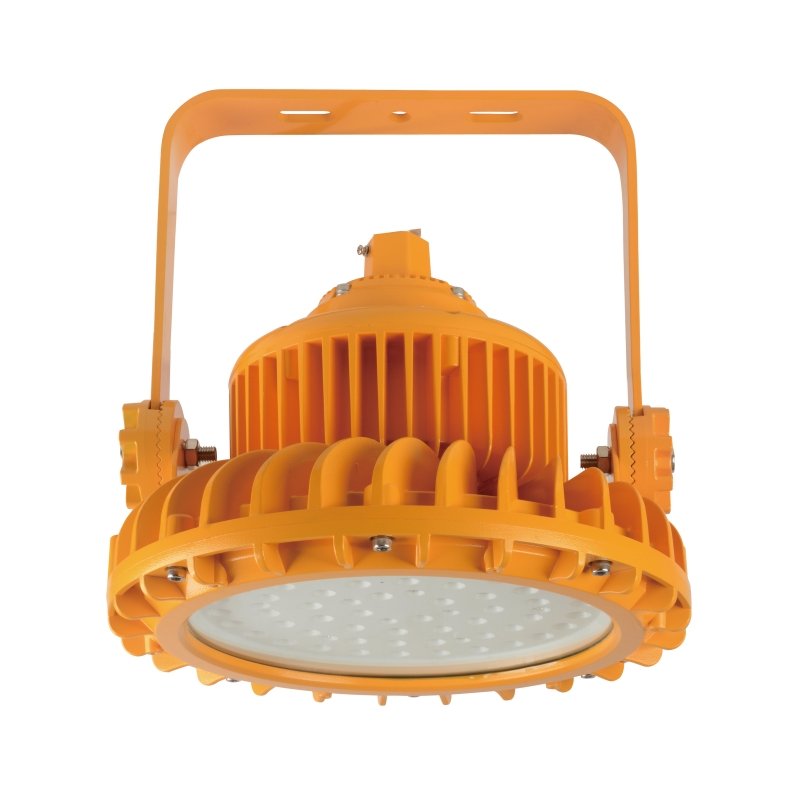
- Marine Explosion-Proof Lights: Suitable for installation in dangerous areas of oil tankers and offshore platforms, with explosion-proof certification.
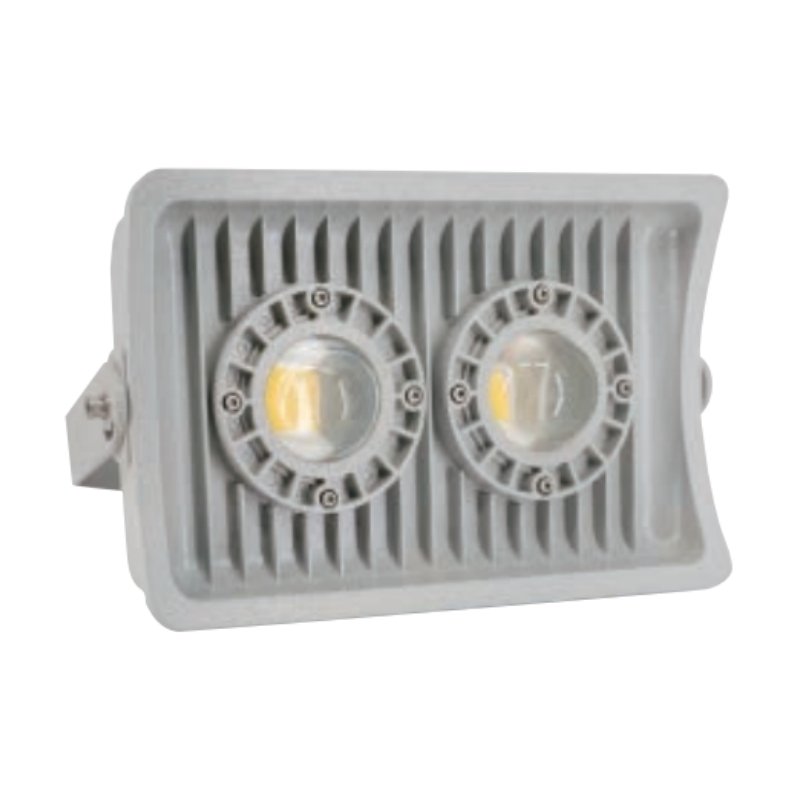
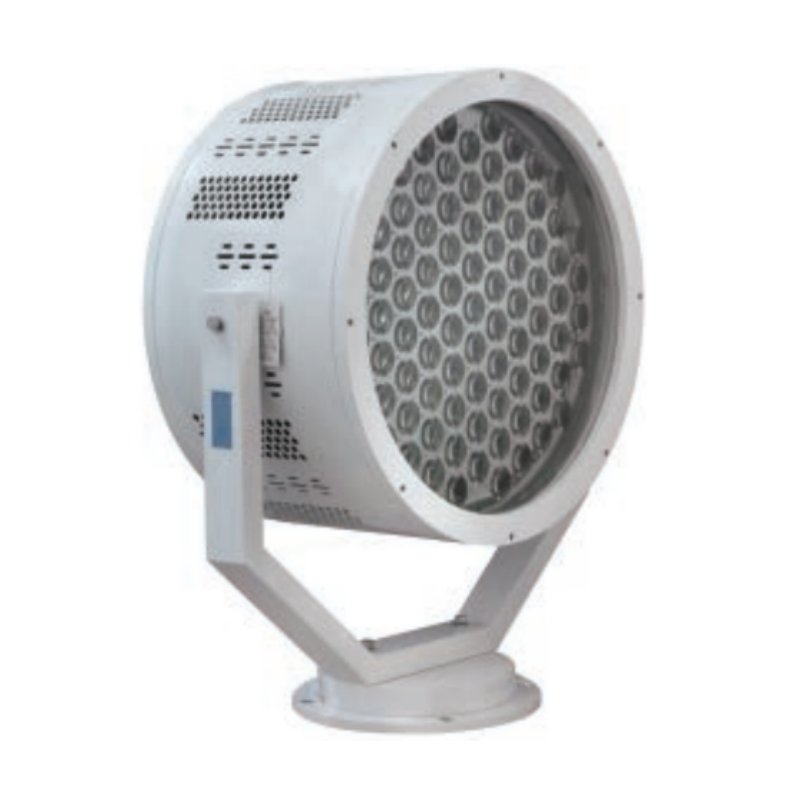
- Marine Flood Lights and Spotlights: Heavy duty lamps for commercial and offshore applications.
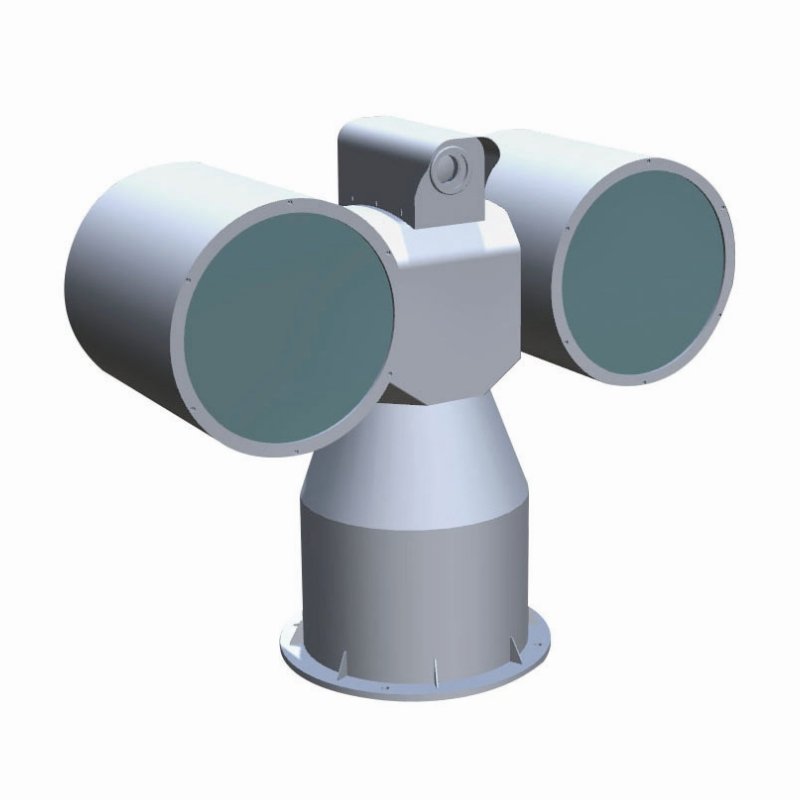
- Marine Search Lights: High-intensity directional lights for coastal navigation and port operations.
- Marine Fluorescent and Incandescent Lights: Marine Fluorescent and Incandescent Lights for interior and exterior lighting for all types of cabins.
- Yacht Lights: Equipped with the appropriate type of approved leisure and super yacht lighting products.
Bozhou Marine’s multi-certification product portfolio means that buyers can purchase a full range of lighting products from a single supplier without compromising on compliance. This is a significant supply chain advantage for shipyards and ship owners who need to manage complex certification requirements in multiple flag states.
If the purchasing team needs certificate documents for specific products, it can directly visit the Certificates page of Bozhou, and consult the type approval documents during the supplier qualification evaluation process.
Conclusion
Marine light certification is the intersection of safety, regulatory compliance and commercial feasibility, which is crucial for every participant in the supply chain of marine equipment. Whether you are a shipowner managing a multi-flag fleet, a maritime safety officer in charge of supplier qualification reviews, or a shipyard procurement manager, an in-depth understanding of the 7 certification bodies: ABS, BV, CCS, DNV, LR, RINA, and the ISO/IEC standard framework will provide you with the basis to make informed and confident procurement decisions.
Although the type approval process is strict, it is the most efficient way to ensure that the entire product series meets the requirements of SOLAS, COLREGs and flag state authorities. For buyers, the actual priority is very clear: match the classification society with the flag state, independently verify the validity of the certificate, and confirm that a specific product model – rather than just the supplier’s overall product portfolio – is indeed within the scope of the certificate.
Bozhou marine’s multi-certified portfolio of ABS, BV, CCS and ISO 9001: 2015 provides a powerful supply option for procurement teams seeking certification of marine lighting, while avoiding the complexity of managing multiple specialist suppliers. For technical specifications, certificate documents or product quotations, please visit bozhoumarine.com.
FAQ
Type approval for the entire production series of product design. Once the design is approved, all subsequent products of the same specification are considered to meet the requirements. Single piece certification is an inspection process for individual products, which is suitable for small batch production or when each product needs to be independently verified. For mass-produced marine lamps, type approval is the standard path.
The validity period varies according to the classification society: the PDA certificate issued by ABS is valid for 5 years; CCS certificate is also 5 years; certificates issued by BV and most other IACS members are valid for four to five years. Annual endorsements are usually required annually, and the renewal must be completed before the expiration date to maintain compliance.
It cannot be covered directly, but the IACS mutual recognition agreement means that the type approval of an IACS member classification society can usually be accepted by other members or extended to other members upon application. The EU RO Mutual Recognition framework also allows BV or RINA type recognition to be mutually accepted among all EU recognized organizations and is applicable to products within the scope of MED.
There are differences in an important aspect. LED navigation lights must specifically meet the IMO Resolution MSC.253 (83) performance standard, which addresses the unique characteristics of LEDs – including luminous decay, automatic power management, and service life monitoring. The traditional incandescent lamp is not constrained by MSC.253 (83), but it still needs to meet the requirements of COLREGs intensity and sector.
The IP level is defined according to the IEC 60529 standard, which indicates the degree of resistance of the shell to the entry of solid particles and water. IP56 (dustproof, strong water column impact resistance) is a common minimum standard for deck open-fitting ship lights. Lights in continuous wet or diving environments may require IP67 or IP68 levels. The IP level is independent of the ship type approval, but it is an important specification parameter when comparing and certifying marine lighting products.
Port State Control Officers (PSCOs) conducting inspections pursuant to the Paris MOU, Tokyo MOU or other regional inspection mechanisms may detain a ship if they discover that equipment required by SOLAS, including navigation lights, has not been type-approved or has other non-compliance. Seizure means that the ship must wait at the port for the rectification of the defect, which may cause significant commercial delays and reputational damage.