Under the rough sea conditions, selecting a suitable marine electrical connector is the key to ensure the stable operation of the ship’s power and communication system. The high humidity, salt spray corrosion and continuous mechanical vibration in the marine environment make it difficult for ordinary industrial grade connectors to meet the requirements. Whether refitting a commercial fishing vessel or upgrading a private yacht, a full understanding of the professional performance of a marine waterproof connector helps ensure that navigation, lighting and safety systems remain operational under critical operating conditions.
This guide will cover in-depth analysis of marine watertight plugs suitable for deck environments and marine cabin electrical plugs designed for in-cabin reliability. At the same time, the technical standards, installation specifications and how to prevent electrolytic corrosion will be explained.
What is a Marine Electrical Connector?
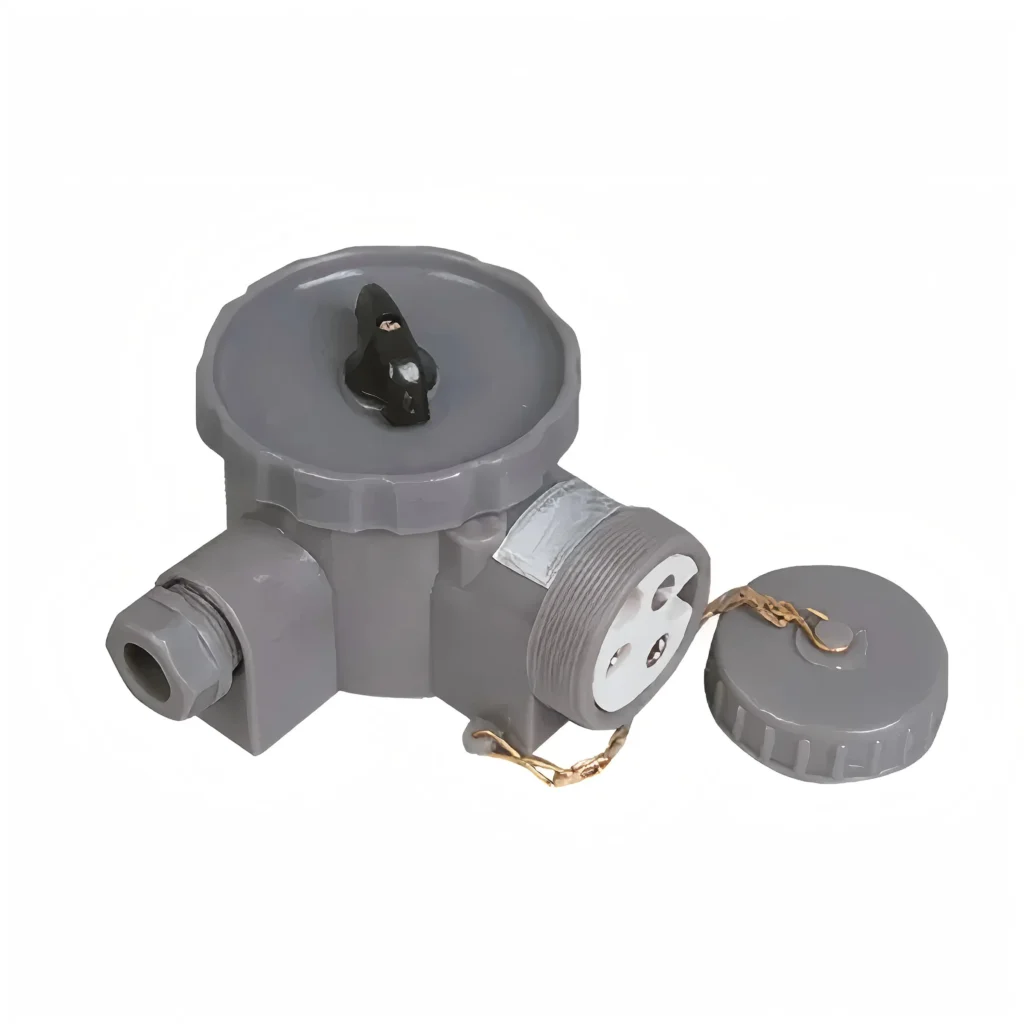
Marine electrical connector is a device specially used to connect circuits in the marine environment. Unlike land connectors, they must withstand the continuous erosion of salt fog and the physical impact of waves.
Features of marine electrical connectors:
- Corrosion-resistant housing: Usually made of UV-resistant high-impact plastic, chrome-plated brass or 316 stainless steel.
- Gilded or nickel-plated contacts: Excellent electrical conductivity even at extremely high humidity.
- Sealing washer and O-ring: Form a gas-tight seal to prevent water infiltration.
Why do we need Professional Marine Electrical Connectors?
Ordinary connectors fail quickly at sea, because salt water is a strong electrolyte that dramatically accelerates galvanic corrosion. A marine waterproof connector prevents this phenomenon by completely isolating the connection point from the outside atmosphere. If the connector fails, it will cause resistance to increase, heat and even cause a fire on the ship.
Marine Watertight Plug vs. Marine Cabin Electrical Plug: What is the Difference?
Understanding the installation location is the first step in choosing. The maritime industry strictly divides components into Watertight and Cabin/Interior.
Marine Watertight Plug and Socket

Marine watertight plug and socket is specially designed for open deck use. These areas will be directly exposed to rain, splashing waves and even short periods of immersion.
Locking mechanism: usually equipped with a threaded ring or bayonet lock (Bayonet Lock), to ensure that the plug does not loosen in severe shaking.
Application scenarios: external navigation lights, deck winches, shore power access points.
Marine Cabin Electrical Plug and Socket

Marine cabin electrical plug and socket is used in protected environments such as bridge, kitchen or crew lounge. Although it does not directly contact waves, it still needs to deal with humid air with extremely high salt content.
Design: usually pay more attention to the beauty and compactness, to adapt to the cabin panel installation.
Application scenarios: indoor lighting, USB charging port, cabin electrical appliances.
| Comparison Table: Watertight vs. Cabin Connectors | ||
|---|---|---|
| Feature | Marine Watertight Socket | Marine Cabin Socket |
| Exposure Level | Direct Saltwater/Rain | High Humidity/Interior |
| IP Rating | IP67/IP68 | IP44/IP56 |
| Common Material | Brass or Heavy-duty Polymer | Impact-resistant Plastic |
| Locking Style | Threaded / Screw-on | Friction fit / Snap-lock |
| UV Resistance | Extremely High | Standard |
How Do You Choose the Right Marine Electrical Connector?
Choosing the perfect marine electrical connector is not just about matching the number of pins. You must evaluate the voltage load and specific environmental pressure factors.
Step 1: Determine the Voltage and Amperage
The ship system usually runs 12V or 24V DC, but the shore power system runs 110V or 230V AC. Be sure to ensure that your marine watertight socket rated current meets the equipment requirements. The use of low ampere connectors on large anchors is the main cause of electrical failure.
Step 2: Check the IP Protection Level
The IP level determines the waterproof degree of the equipment:
- IP56/IP66: can withstand strong jet water erosion.
- IP67: can be immersed in 1 meter deep water for 30 minutes.
- IP68: support continuous diving operations.
Step 3: Material Compatibility
Different metal contacts can produce galvanic corrosion in a salt water environment. If your hull is made of aluminum, ensure that the marine electrical connector uses compatible materials or is equipped with insulation gaskets to prevent direct metal contact.
How to Install a Marine Electrical Connector for Longevity?

Proper installation is as important as the connector itself. Please follow these steps:
- Use marine-grade wire: be sure to use tinned copper wire in conjunction. The tin plating layer can prevent corrosion from spreading along the interior of the insulating layer.
- Dielectric grease: Before inserting the marine watertight plug, apply a thin layer of insulating silicone grease to the pin to remove air and moisture.
- Drip Loops design: When arranging the line to the marine cabin electrical plug in the marine cabin, it is necessary to reserve a drip loop -the lowest point before the wire enters the connector. This uses gravity to guide water away from the connection point.
- Heat shrinkable tube protection: use adhesive heat shrinkable tubes at all wiring points to form a secondary environmental sealing layer.
Maintenance Tips: Why is my Marine Electrical Connector Corroding?
Even the best marine waterproof connector requires regular inspection. Salt crystals have hygroscopicity, which can absorb water in the air and corrode metals.
Dealing with Electrolytic Corrosion
If you see green and crisp deposits on the marine cabin socket, it indicates that the corrosion has begun.
Cleaning: use a professional electronic cleaner and a small brass brush to remove the oxide layer.
Prevention: after cleaning, reapply anti-corrosion inhibitors.
Replacement: if the pin appears potholes or thinning, indicating that its structural integrity has been damaged. Please replace the marine watertight plug immediately to avoid heat caused by excessive resistance.
Investing Marine Electrical Connector in Reliability
The marine electrical connector is small in size in the system, but it plays a key role in function. From the marine watertight plug that supplies power to the bilge pump to the marine cabin socket that charges the navigation equipment, each link in the circuit needs to have sufficient durability.
In terms of maritime safety, high-quality marine waterproof connectors should be selected and installed in a standardized manner. This is the basis for ensuring the reliable operation of equipment and an important measure to ensure the safety of ships and personnel.
FAQ
This is absolutely not recommended. Ordinary household sockets do not have the corrosion resistance to salty air. The internal components of the professional marine cabin socket are subjected to anti-corrosion treatment, and usually have a spring cover to prevent moisture from entering when not in use. In addition, marine-grade components can withstand the continuous vibration of the ship during navigation, and ordinary household sockets may be loose due to vibration.
Crimping is superior to soldering in the maritime field. Welding will harden the wire. Due to the frequent vibration of the ship, the welding point is very prone to fatigue fracture. Marine waterproof connector with premium crimping tools offers flexible and rugged connections that are more suitable for rough sea conditions.
Yes, but many people misunderstand its role. Insulating silicone grease itself is not conductive, its role is as a water barrier. It is applied to the rubber sealing ring and pin base of marine watertight plug to effectively prevent salt spray from touching the metal surface.
When the plug in the cabin fails, it usually shows the following three signs: brown or black marks around the socket that indicate the existence of overheating; the marine cabin electrical plug is loose after insertion, which indicates that the internal spring has failed and may cause arc. In addition, if you smell something like a fishy smell or plastic burning smell, it means that the resistance is too large, and plastic parts have begun to melt.
The NMEA 2000 (N2K) features a standardized Marine Waterproof Connector system for M12 threaded marine waterproof connectors. This design not only allows different brands of equipment to plug and play, more importantly, it has IP67 protection level, even if submerged can work properly, is the gold standard of modern ship data networks.