Types of Marine Lighting Fixtures
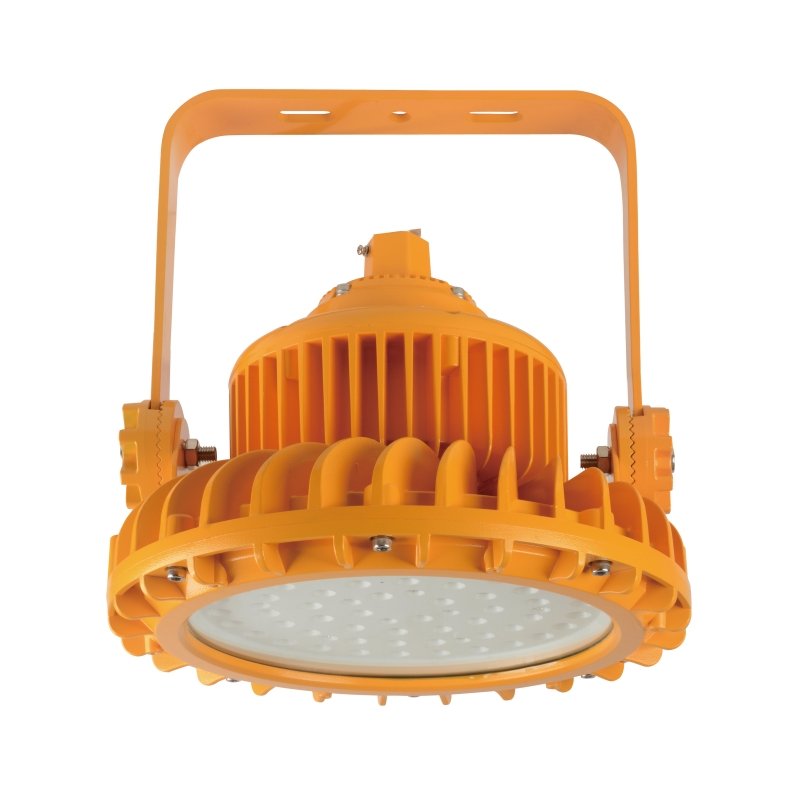
1. Marine Explosion-Proof Light
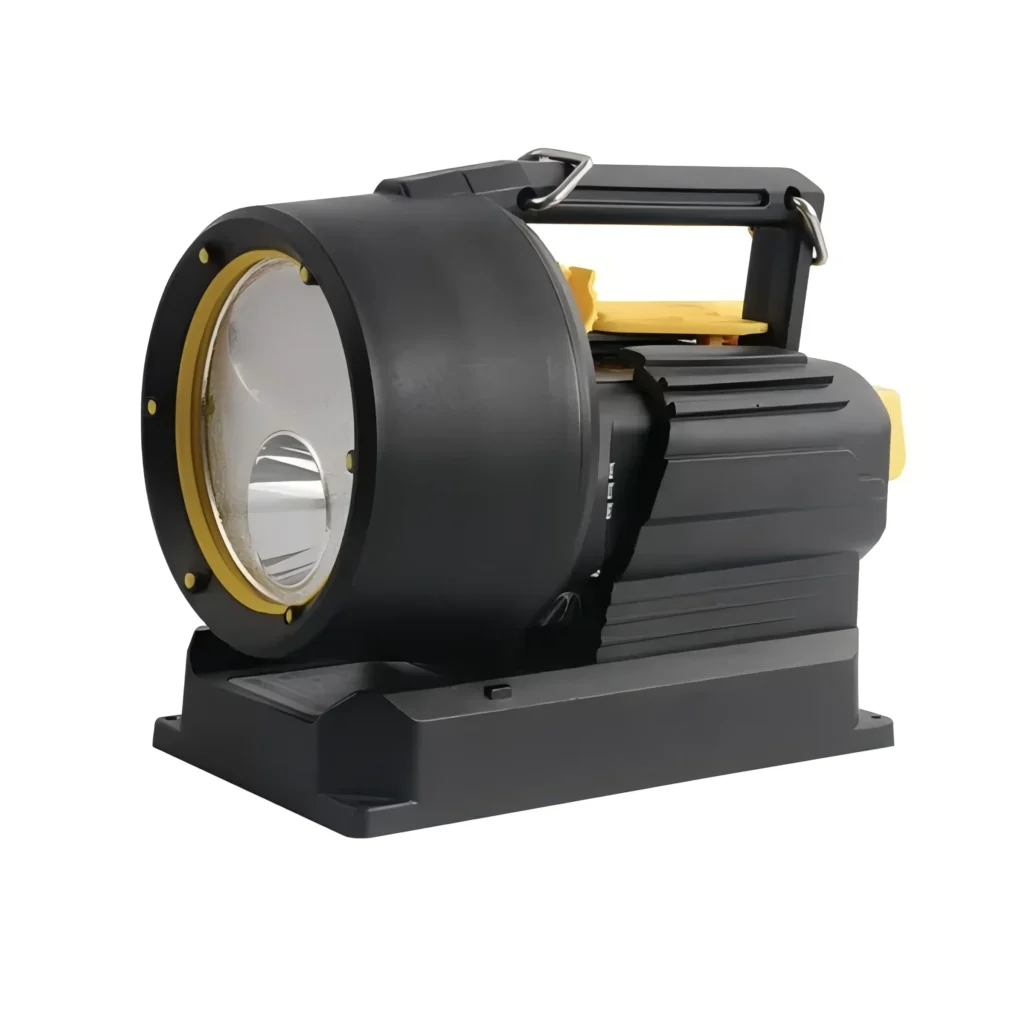
Marine explosion-proof lights adopt special explosion-proof housings and sealing technology to effectively isolate potential internal electrical sparks that prevent the ignition of external explosive atmospheres. They are primarily used in hazardous areas such as pump rooms and near oil storage areas on tankers and chemical tankers where flammable and explosive gases or dust may be present.
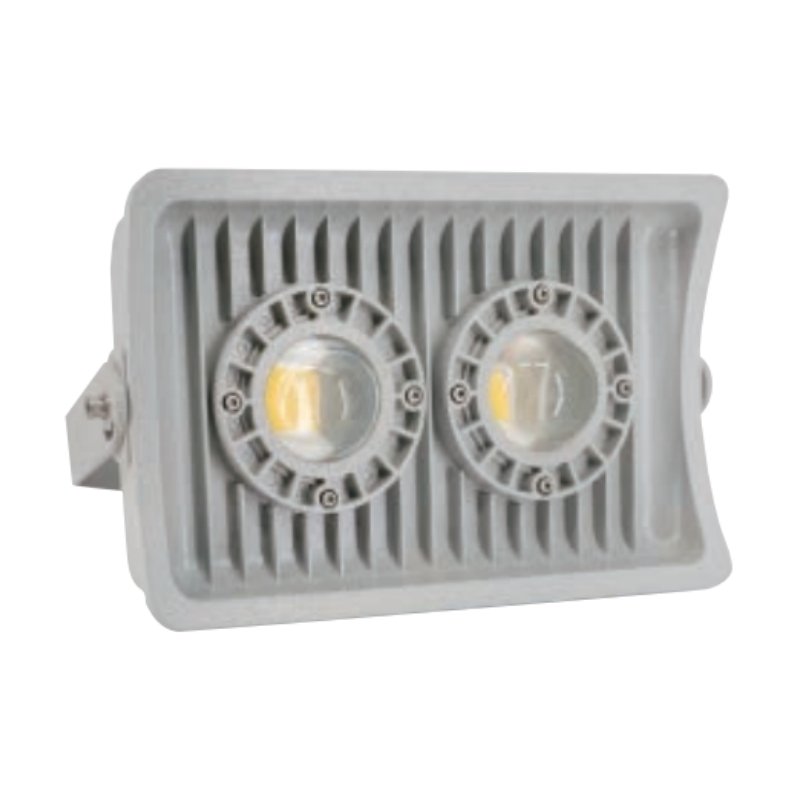
2. Marine Flood Light and Spot Light
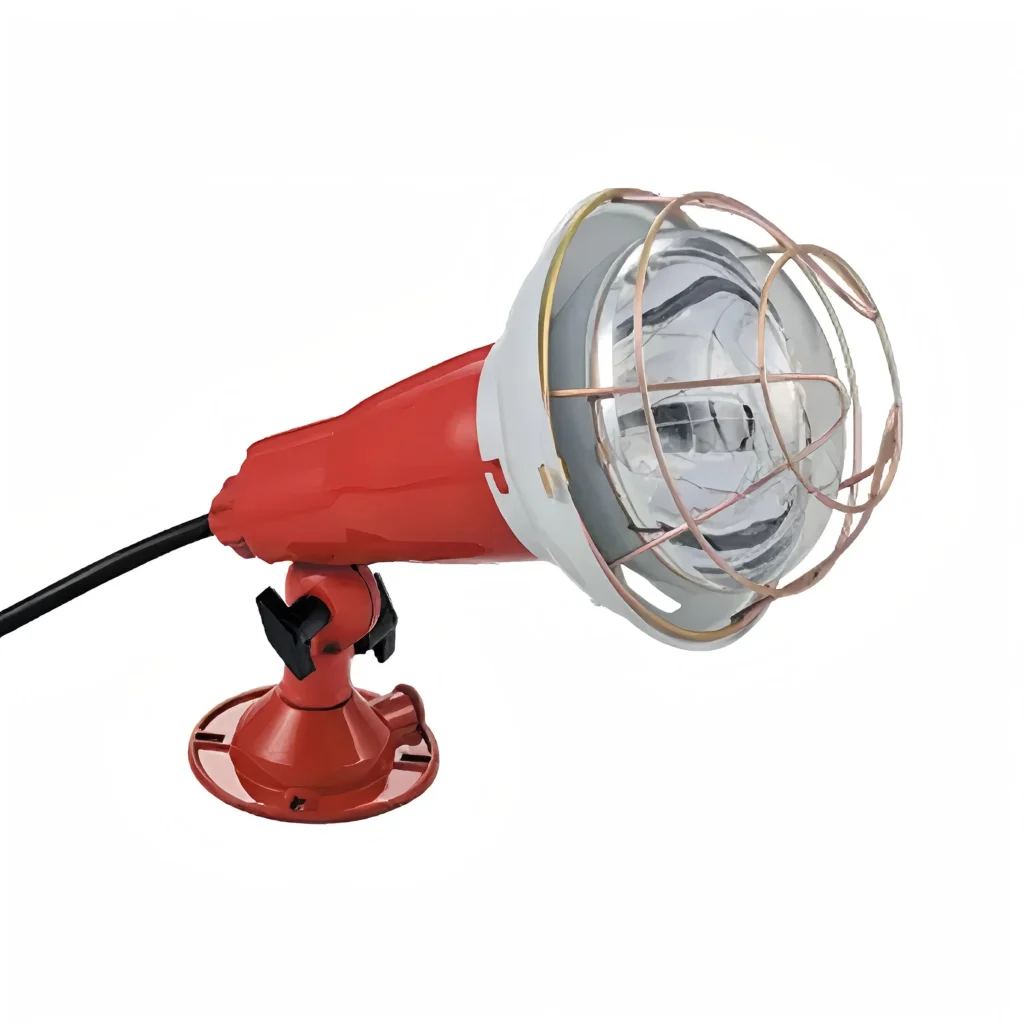
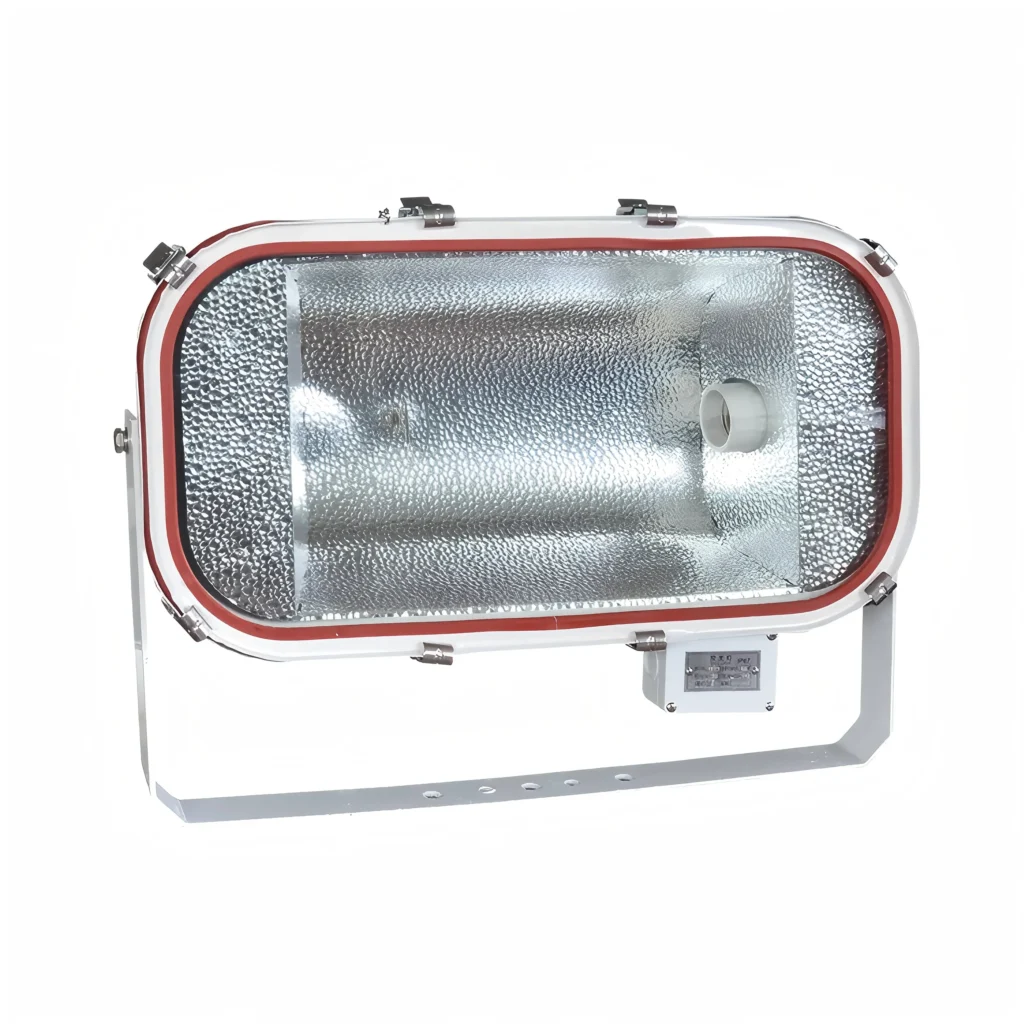
Marine flood lights and spot lights provide strong illumination for outdoor operations and large areas on ships.
Marine Floodlights: With a large light scattering angle, they are suitable for illuminating the entire deck working area, cargo loading and unloading area, lifeboat storage area, etc. that ensure safety during nighttime operations.
Marine spotlights: These provide concentrated light and long illumination distance and often used for illuminating specific targets such as mooring bollards during berthing and unberthing and for nighttime inspections.
3. Marine Fluorescent Light

Marine fluorescent lights were once the mainstream lighting choice for cabins and engine rooms with higher luminous efficacy than incandescent lights. However with technological advancements, they are rapidly being replaced by more energy-efficient and flicker-free LED lights.
4. Marine Incandescent Light
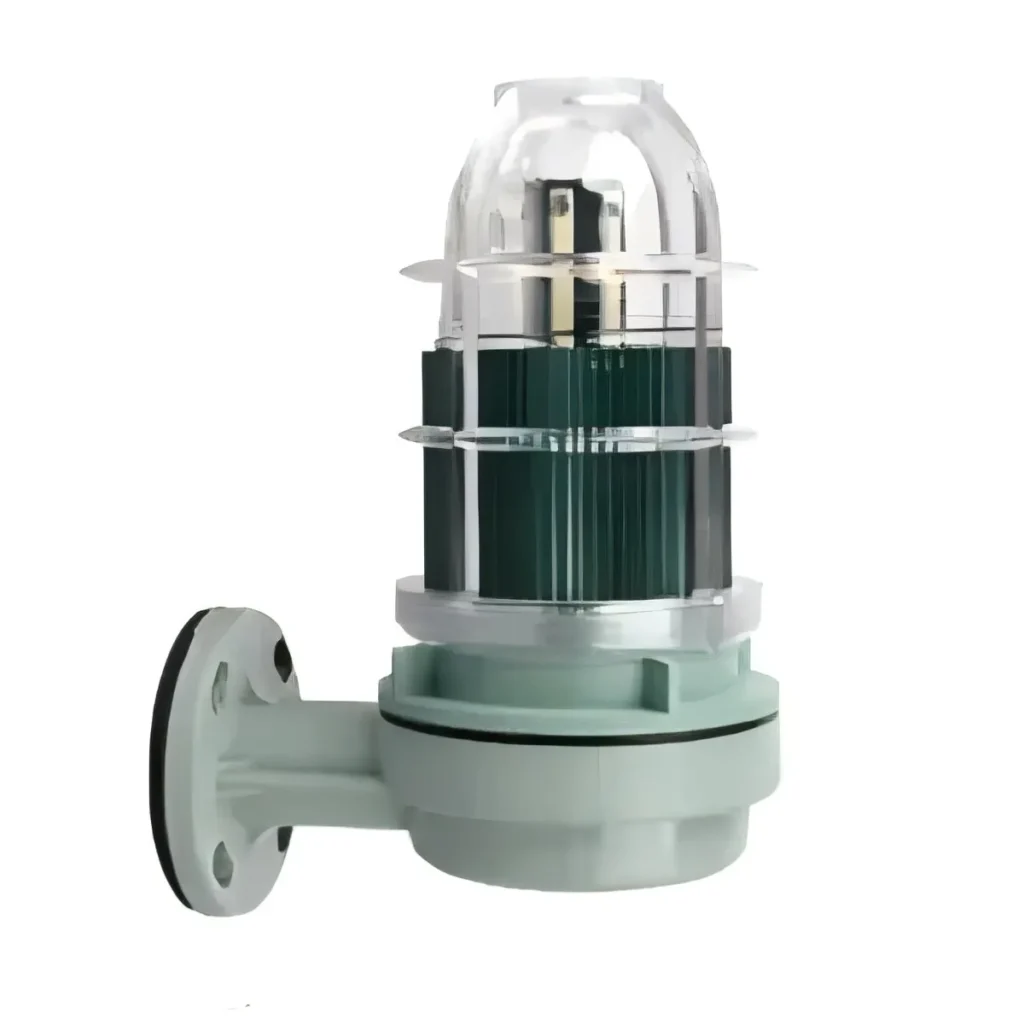
As a traditional light source, marine incandescent lights have been largely phased out in modern ships due to their high energy consumption, short lifespan and high heat generation. They are only seen in a few special occasions or on older vessels.
5. Marine Navigation Signal Light
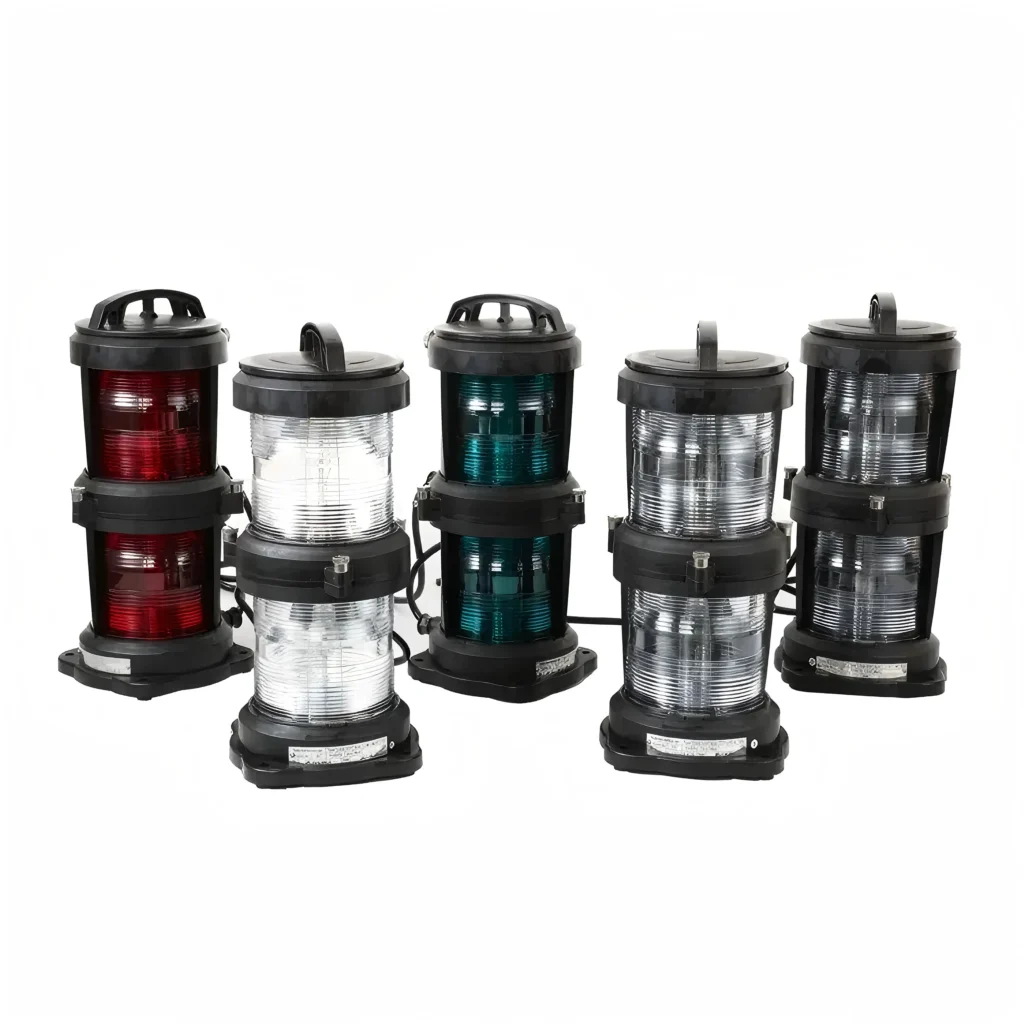
Marine Double-Deck Navigation Signal Light
Marine navigation lights serve as a language between ships and are subject to strict regulations: installation location, color, illumination angle and visibility distance are all strictly defined and cannot be arbitrarily changed.
• Mastlight :white light
• Port Light :red light
• Starboard Light :green light
• Stern Light :white light
• All-Around Light :red, white and yellow light
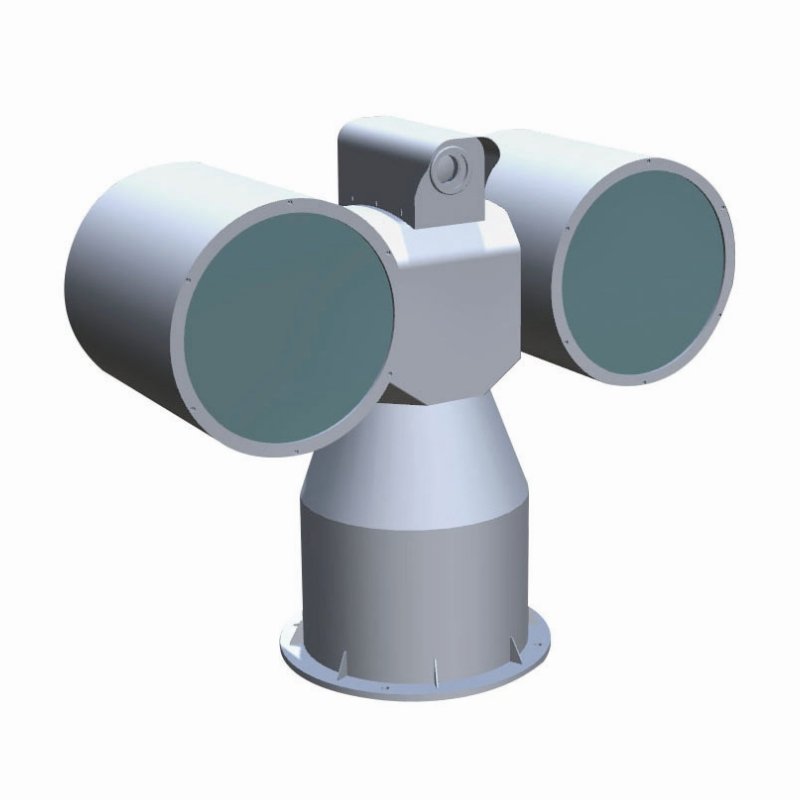
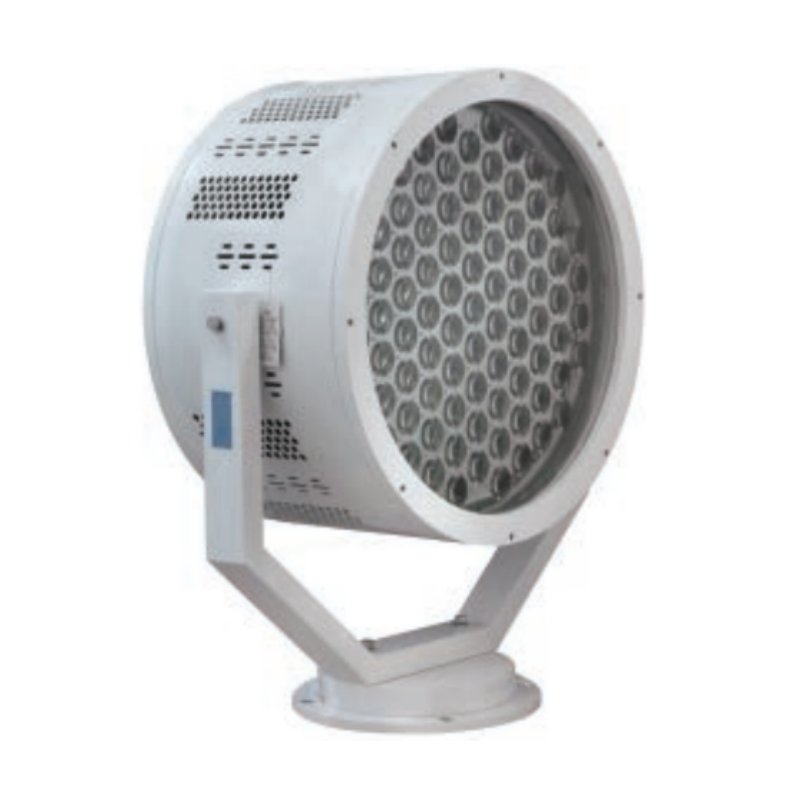
6. Marine Search Lights
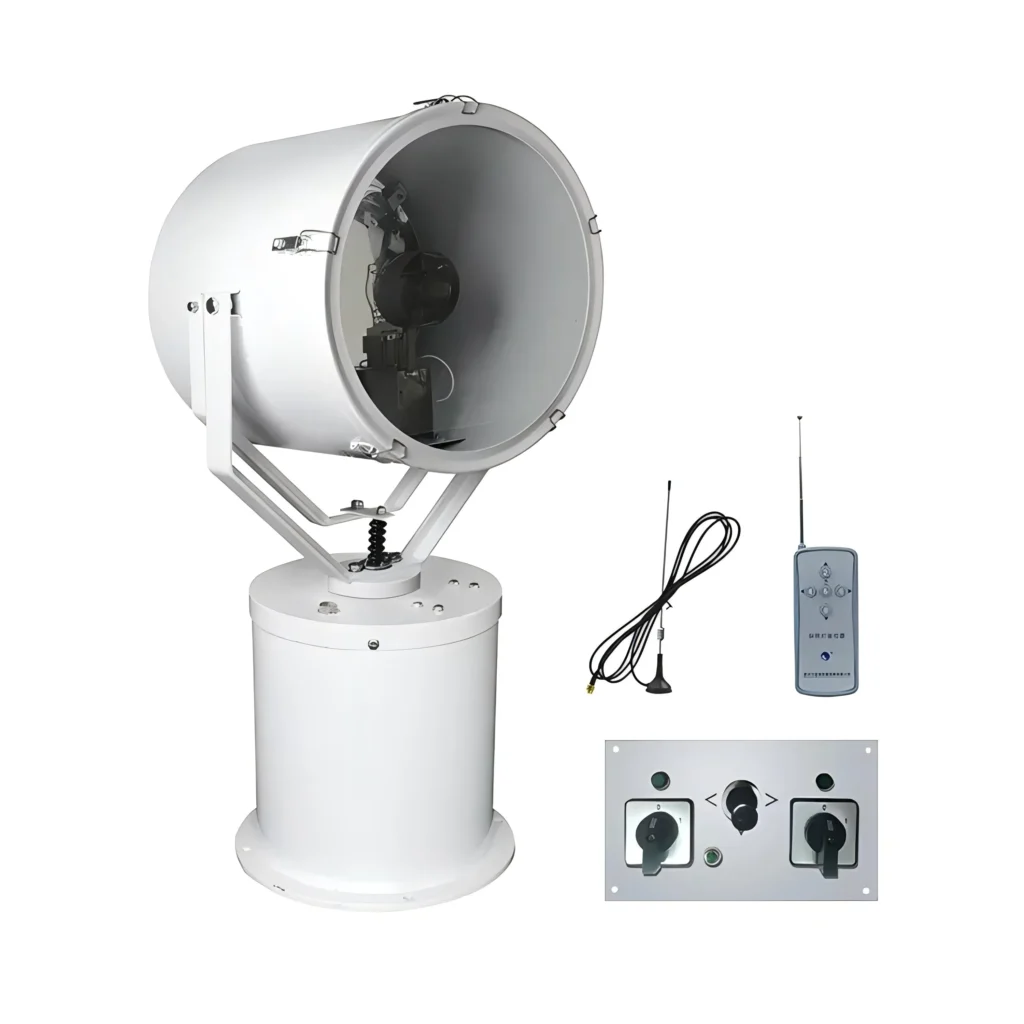
Remote Control E40100-230V 1000W Marine Searchlight
Marine search lights are high-brightness marine lighting lights with precisely controllable beams.
They are used for:
• Nighttime navigation search: Exploring waterways in poor visibility.
• Signal transmission: Communicating with distant vessels or shore stations via flashing lights.
• Emergency rescue: Providing illumination for maritime search and rescue operations.
• Special operations: Such as fishing boats using them for attracting fish.
Advantages of Marine Lighting
Full LED adoption is the development trend of modern marine lighting technology. Today regardless of the type of marine lighting mentioned above, its development revolves around one core—LED technology. Compared with traditional light sources, marine LED lights have overwhelming advantages:
Energy saving and high efficiency
It significantly reduces the load on ship generators and extends battery life, which is especially important for fishing boats and yachts.
Long lifespan
With a service life of tens of thousands of hours, it significantly reduces maintenance costs and replacement frequency.
Good weather resistance
Shock-resistant, waterproof and corrosion-resistant- adaptable to harsh marine environments.
Stable luminous efficacy
Uniform brightness, less flickering- more user-friendly for nighttime operation.
Low heat generation
It is suitable for use in enclosed spaces and will not increase cabin temperature.
Key Factors When Purchasing Marine Lighting
1. Waterproof and corrosion-resistant performance
The marine environment is humid and saline; lighting fixtures should have at least IP67 waterproof rating and use corrosion-resistant materials.
2. Brightness and color temperature
Brightness determines the lighting effect, while color temperature affects visual comfort. Navigation lights must comply with national or international standards.
3. Materials and structure
High-quality lighting fixtures generally use stainless steel, aluminum alloy, or seawater-resistant plastics, with a robust structure and good shock resistance.
4. Voltage compatibility
Common marine voltages are 12V or 24V; it is necessary to ensure that the lighting fixtures are compatible with the ship’s electrical system.
5. Ease of Installation and Maintenance
Choosing luminaires with simple structures that are easy to install and replace helps reduce later maintenance costs.
Why Choose High-Quality Marine Lighting?
For vessels operating in complex environments for extended periods, choosing high-quality marine lighting is a core investment related to safety and efficiency. These lights are brighter that significantly improve visibility during nighttime navigation and operations and provide basic safety assurance. They ensure long-term stable operation in harsh marine environments due to lower failure rate and superior durability that effectively avoid potential risks from sudden luminaire failures.
Furthermore, high-quality lighting products strictly comply with international and regional regulations, a prerequisite for legal navigation. In the long run, this significantly improves the overall user experience for crew members and can effectively reduce subsequent expenses by lowering maintenance frequency and replacement costs to achieve greater economic benefits.
Equip Your Vessel with Durable Marine Lighting Solutions
Wenzhou Bozhou Marine specializes in the production and sales of various types of marine electrical lighting equipment to meet your vessel’s specific needs. Contact us to help you navigate the seas with confidence and clarity.