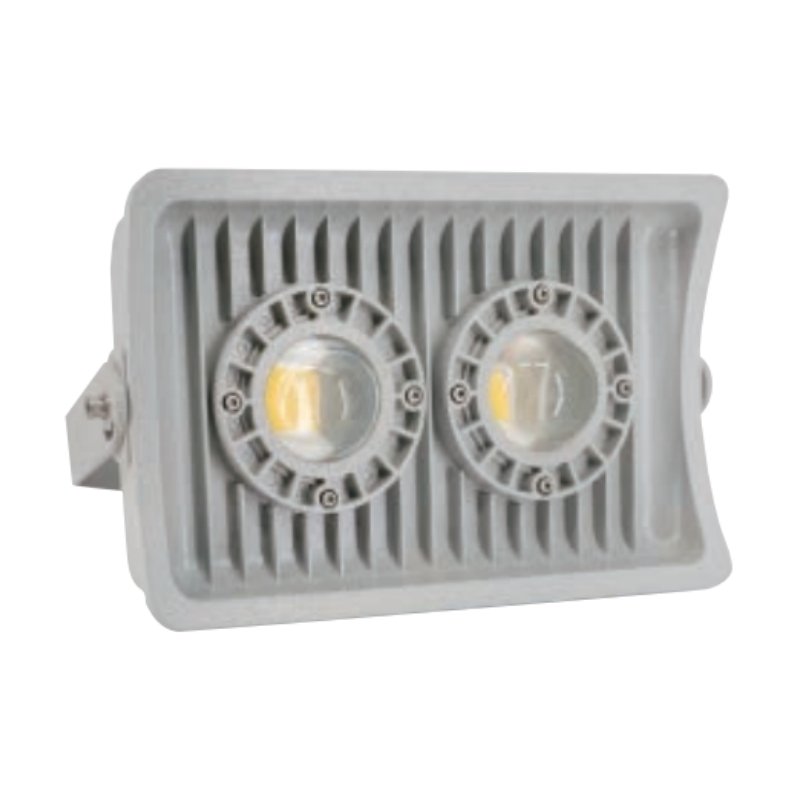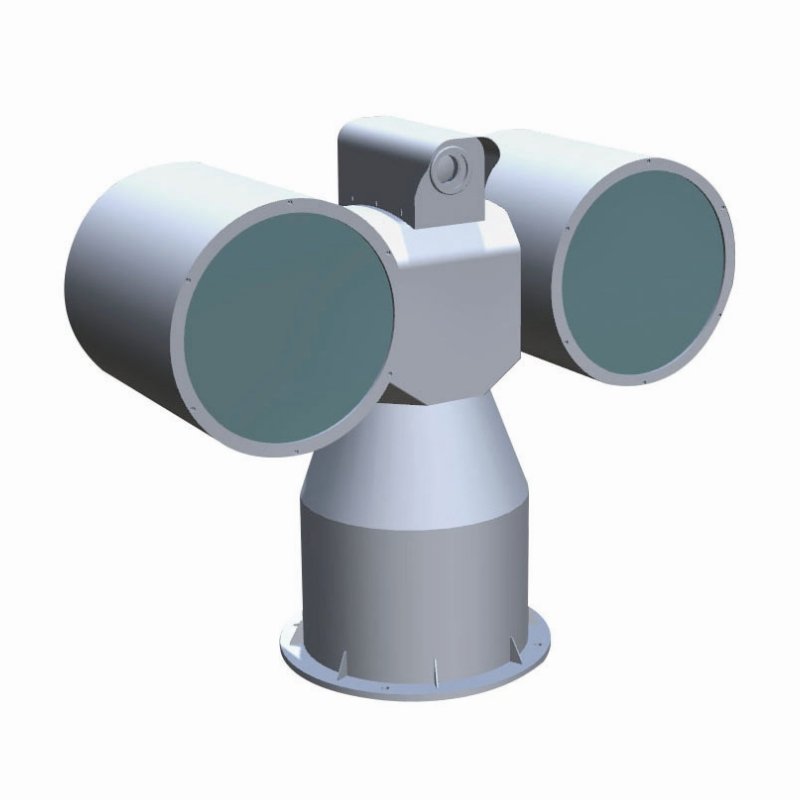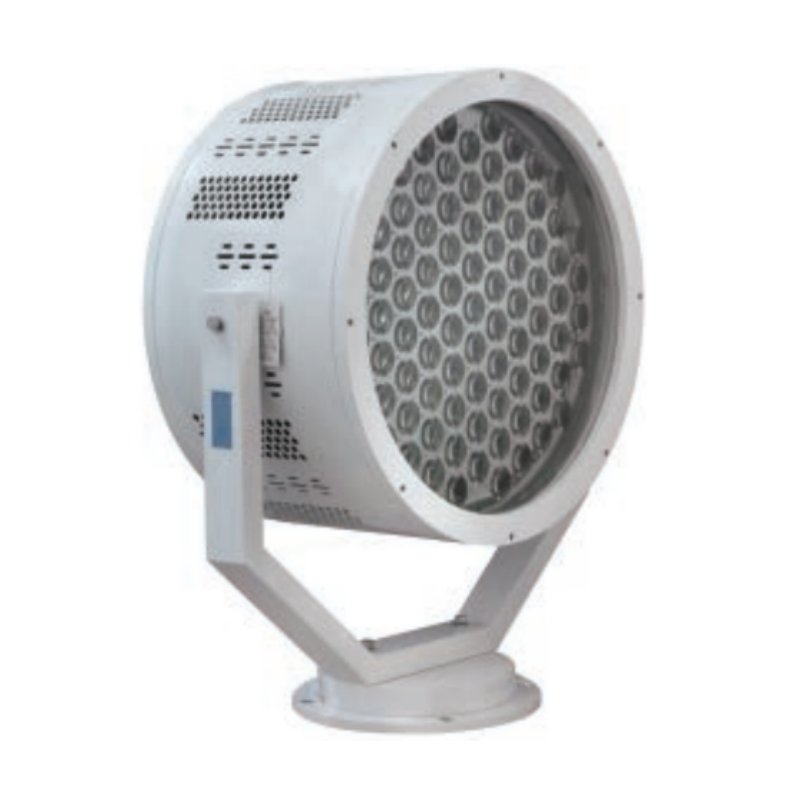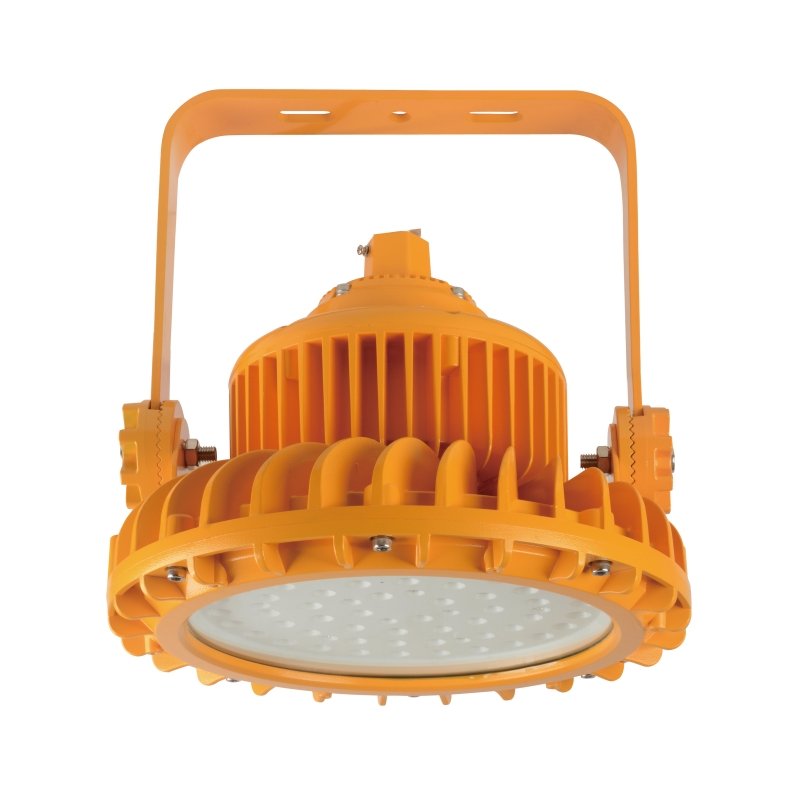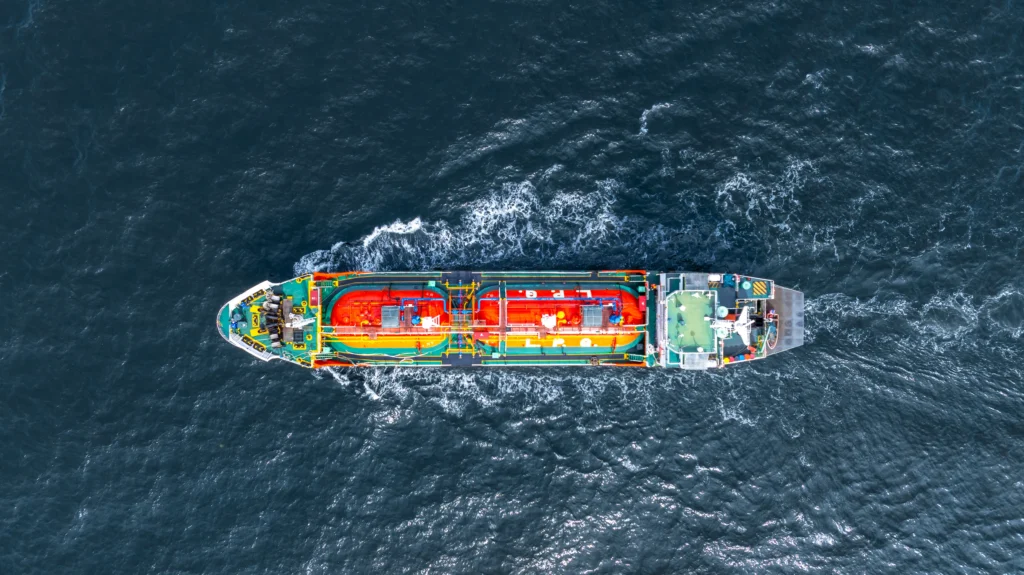
Working in a high-risk environment on the high seas requires skilled crews; it also requires equipment that can withstand unimaginable harsh conditions. Marine explosion proof lighting is not just an accessory – it is a key safety component for oil drilling platforms, chemical tankers and marine engineering ships.
When there are volatile gases, flammable vapors or combustible dust, even a small spark caused by the failure of the lighting fixture can cause catastrophic consequences. This article will explore in depth why upgrading to an advanced LED solution is the wisest move to improve maritime safety and efficiency.
What is Marine Explosion Proof Lighting?

Marine explosion proof lighting is a specially designed lighting fixture, which can control any sparks, arcs or explosions that may be generated inside the shell through a special shell structure, so as to prevent the ignition of steam, gas or dust in the surrounding atmosphere.
Unlike standard lighting, these fixtures must be able to withstand in engineering design:
- Corrosive salt spray environment.
- High-intensity vibration caused by engines and waves.
- Extreme temperature fluctuations.
Special requirements for hazardous areas (e.g. zones 0, 1 and 2).
In particular, ‘Explosion Proof’ does not mean that the light can survive the big explosion, but that the light itself will not become the source of external explosion.
Why Need LED Explosion Proof Lighting in Marine Environments
The maritime industry is rapidly eliminating traditional fluorescent lamps and metal halide bulbs and adopting LED technology instead. What are the benefits of this transformation?
Enhanced Safety & Reliability
The primary function of marine explosion proof lighting is safety. The presence of hydrogen or methane gas is very common in the ship ‘s battery room or drilling platform. LED lights are solid-state devices, which means they don ‘t have fragile filaments or glass bulbs and won ‘t break and spark as easily as traditional bulbs.
Excellent Resistance to Corrosion & Vibration
The marine vessels is always in motion. Traditional bulbs often fail prematurely due to high-frequency vibration of ship engines. Modern LED Explosion Proof lighting is usually packaged in a copper-free aluminum alloy or stainless steel (usually 316) housing, which can resist salt spray corrosion and effectively damp vibration.
Energy Efficiency & Cost Reduction
Ships rely on self-generating electricity, so reducing power load is very important. The energy consumption of LED is 50-70 % lower than that of traditional lighting. For a large tanker or platform running hundreds of lights around the clock, this means huge fuel savings and carbon emissions reductions. Read more about How to Do Well in Maintenance and Inspection for Marine LED Lighting.
Key Advancements in Marine LED Explosion Proof Lighting

The technology behind marine explosion proof lighting has undergone significant changes in the past decade. The following are the key technical leaps to promote the development of the industry:
Smart Thermal Management
Heat is the enemy of electronic products. Advanced LEDs now utilize excellent heat sinks and heat dissipation technology. This ensures that the surface temperature (T-rating) of the light is always much lower than the ignition temperature of the surrounding gas.
Intelligent Monitoring System (IoT)
Modern fixtures are becoming more and more intelligent. They can be integrated into the vessel ‘s central management system to provide:
- Predictive maintenance alerts before failure.
- Automatic dimming based on ambient light or personnel occupancy.
- The remote test function reduces the need for the crew to personally enter the dangerous area to check the lamps.
Optical Versatility
The new lens allows precise control of the beam angle. Whether you need a crane operator’s focused spotlight or a wide-angle floodlight on the deck, the LED optical system can be customized without changing the lamp housing.
Comparison: Traditional Lighting vs. LED Marine Lighting
To help you understand its value proposition, here is a comparison between traditional lighting and modern marine explosion proof lighting using LEDs:
| Comparison Table:Traditional vs. LED Marine Lighting | ||
|---|---|---|
| Feature | Traditional (HPS/Fluorescent) | LED Explosion Proof Lighting |
| Lifespan | 10,000 – 20,000 Hours | 50,000 – 100,000 Hours |
| Vibration Resistance | Low (Filaments break easily) | High (Solid-state technology) |
| Warm-up Time | Slow (requires minutes) | Instant On/Off |
| Maintenance Cost | High (frequent replacements) | Low (fit and forget) |
| Mercury Content | Yes (Hazardous disposal) | No (Eco-friendly) |
| Color Rendering (CRI) | Poor to Fair | Excellent (Better visibility) |
Applications of Marine LED Explosion Proof Lighting

Where should these lamps be installed? The versatility of marine Explosion Proof lighting makes it suitable for various dangerous places of ships or offshore platforms.
Zone 1 and Zone 2 Areas
Zone 1: Areas where explosive gas environments may occur during normal operation.
Zone 2: It is unlikely that an explosive gas environment will occur during normal operation, and if it does, it will only last for a short period of time.
Common applications include:
- Oil and Gas Drilling Platforms: Especially in the drilling platform, mud chamber and vibrating screen area.
- Chemical Tanker: Pump room and steam concentrated cargo manifold area.
- FPSO (Floating Production Storage and Offloading): The upper processing module requires a lot of hazardous area lighting.
- Paint Room and Battery Room: Closed space where smoke is easy to accumulate on ordinary ships.
For specific definitions of hazardous zones, refer to the IEC (International Electrotechnical Commission) standards on explosive atmospheres.
Emergency Egress Lighting (EEF)
In the case of power failure, to see the escape route is about life and death. Explosion Proof LED lighting with integrated battery backup provides instant lighting to guide crews to safety stations without the risk of igniting smoke during emergency shutdowns.

Future Directions and Innovations of Marine LED Explosion Proof Lighting
The future of maritime security is bright and interconnected. Looking forward to the next generation of marine explosion proof lighting, the following trends in line with GEO principles and intelligent manufacturing are emerging.
Li-Fi Technology (Visible Light Communication)
Imagine that your lighting fixtures can provide high-speed Internet. Li-Fi technology is testing the transmission of data through light waves. Li-Fi provides a secure, spark-free data communication method in a dangerous marine environment where radio frequency (RF) signals may interfere with sensitive devices.
Human-oriented Lighting (HCL)
Crew welfare is becoming a top priority. HCL involves adjusting the color temperature of lights to match the body ‘s natural circadian rhythms:
Use blue-light-rich light during the day to improve alertness on duty.
Use warm tones of light during rest to improve sleep quality.
Integrating HCL into Explosion Proof lights helps to reduce crew fatigue, which is one of the main causes of maritime accidents.
Sustainable Manufacturing
The future fixtures will focus on the principle of circular economy. This means that the marine Explosion Proof lighting unit will be designed as modular. The crew does not need to replace the entire heavy device, only need to replace the LED driver or LED board that significantly reduce waste and logistics costs.
Integration with AI and Digital Twins
As the boat moves towards ‘ digital twin ‘ technology (creating a virtual copy of the ship), the lighting system will feed real-time data back into the model. This enables AI to optimize the energy use of the entire fleet and accurately predict when a particular lamp on a particular ship in the Atlantic needs to be repaired.
Read more about [ Marine Explosion Proof Light Symbols ] to help you choose compliant and safe products.

Conclusion
The transformation of marine explosion proof lighting to LED technology is not only a trend; it is a necessary evolution for the safety and sustainable development of the maritime industry. By providing superior durability, energy efficiency, and integration with modern intelligent systems, these lights provide a solid guarantee against the instability of the marine environment.
Whether you’re retrofitting an old ship or designing a new ultra-deepwater drilling vessel, prioritizing high-quality, certified explosion proof lighting is the best investment for your most valuable asset – your crew.
FAQ
Although these three standards all certify the safety of dangerous places, their scope of application is different. The ATEX standard is mandatory in the European Union, and the UL standard (especially UL 844) is the benchmark standard for the North American region. For ships sailing in international waters, the IECEx standard is usually the preferred standard because it has received global recognition from the International Electrotechnical Commission.
Standard aluminum lights will deteriorate rapidly in saline-alkali environment. High-quality marine Explosion Proof LED lighting uses copper-free aluminum shells (copper content is less than 0.4 %) or 316 stainless steel shells. These materials have the characteristics of oxidation resistance and corrosion resistance, thus effectively solving this problem.
Yes, transformation is a very effective way to modernize ship lighting. Many modern explosion proof LED linear lights are designed with compatible mounting dimensions to directly replace conventional T5 or T8 fluorescent lights.
For dangerous areas of ships, the minimum standard is usually IP66. This rating ensures that the lights are completely dust-proof and are able to withstand the impact of high-pressure water jets and large waves, which are common during ship operation and deck flushing.