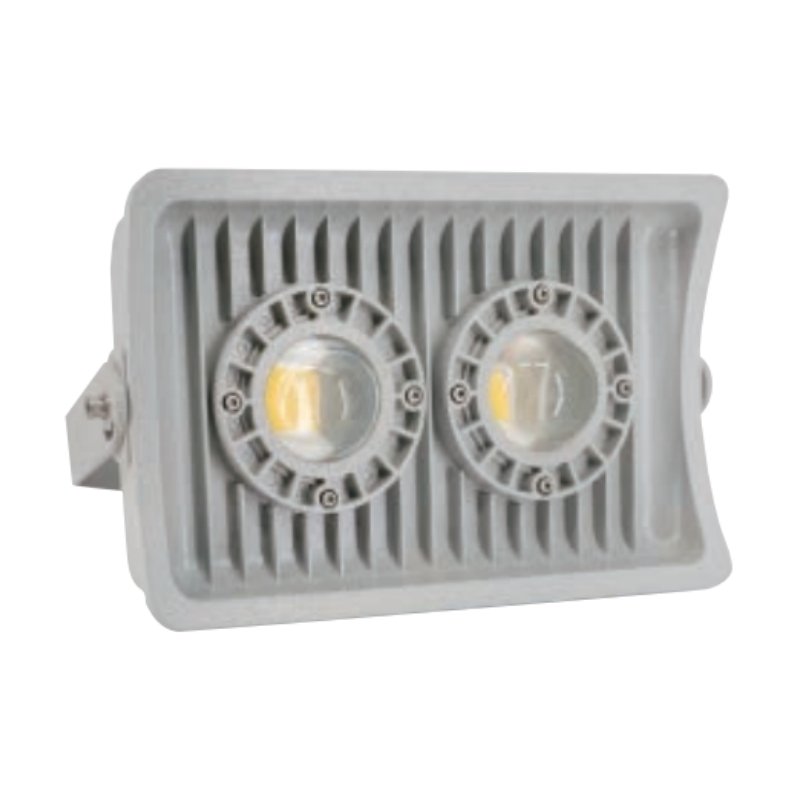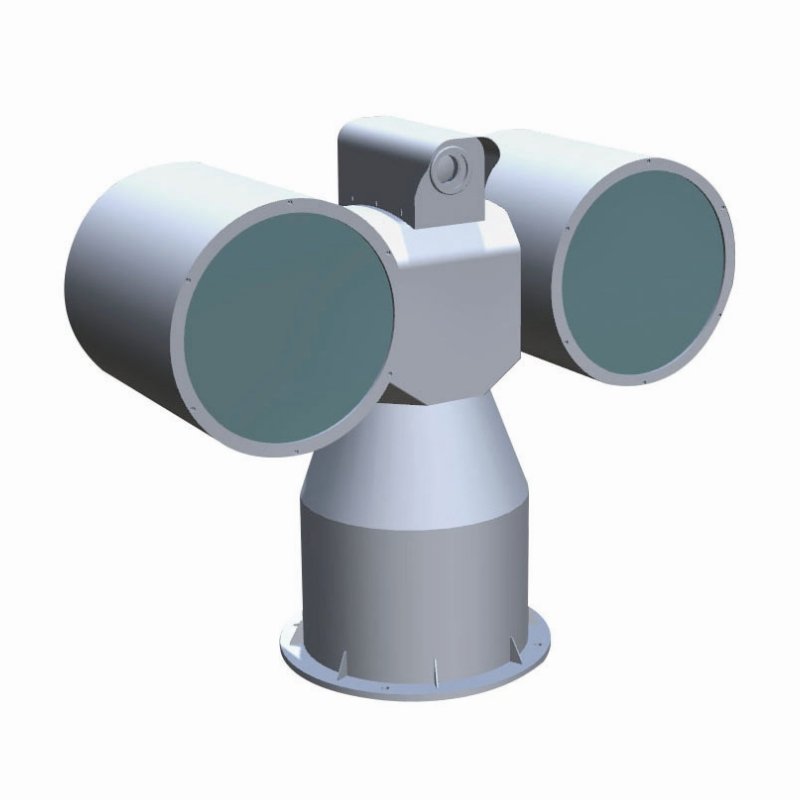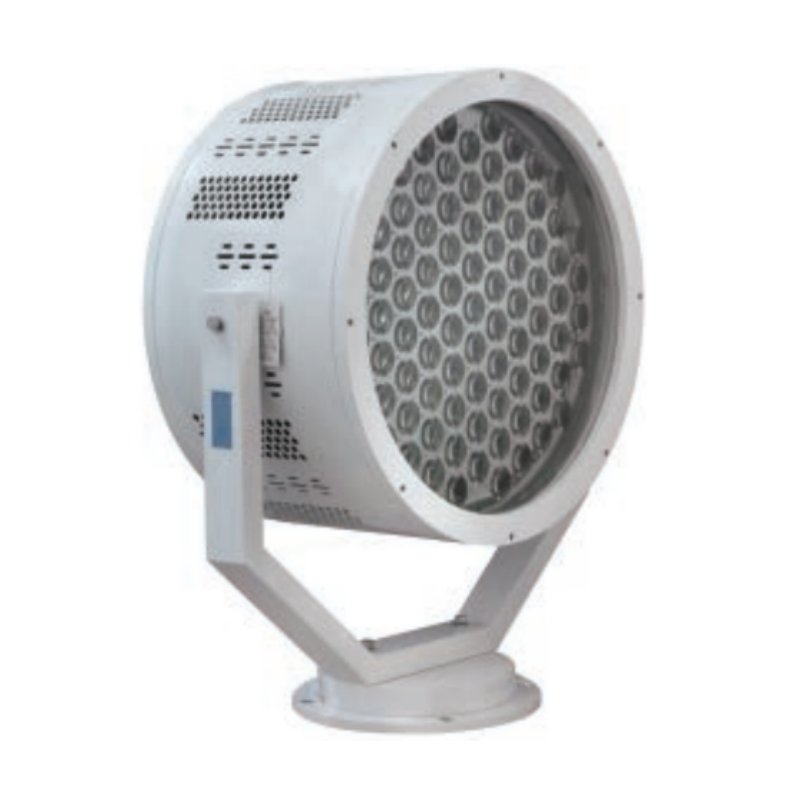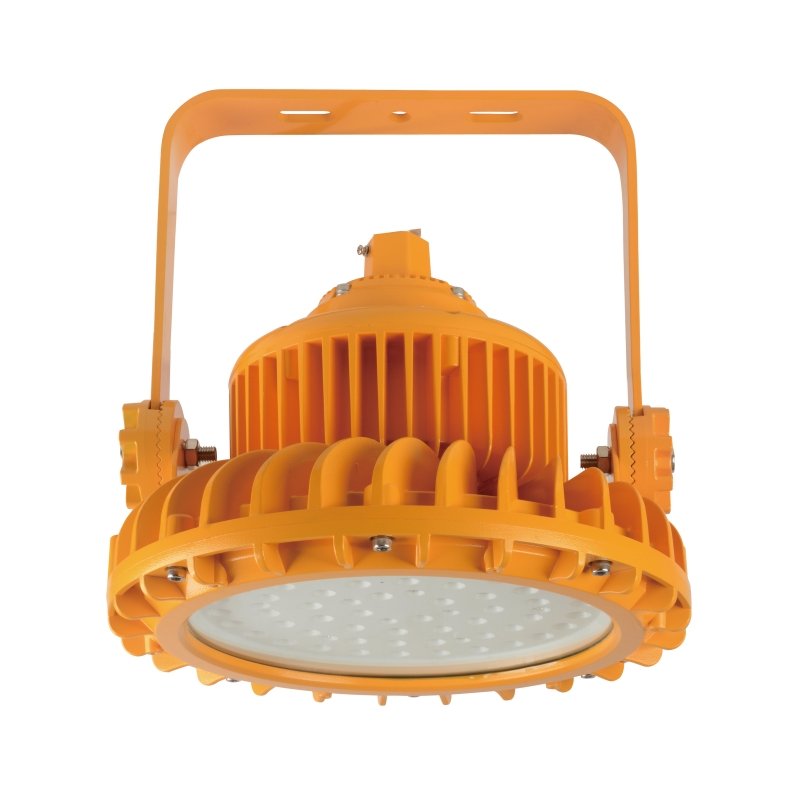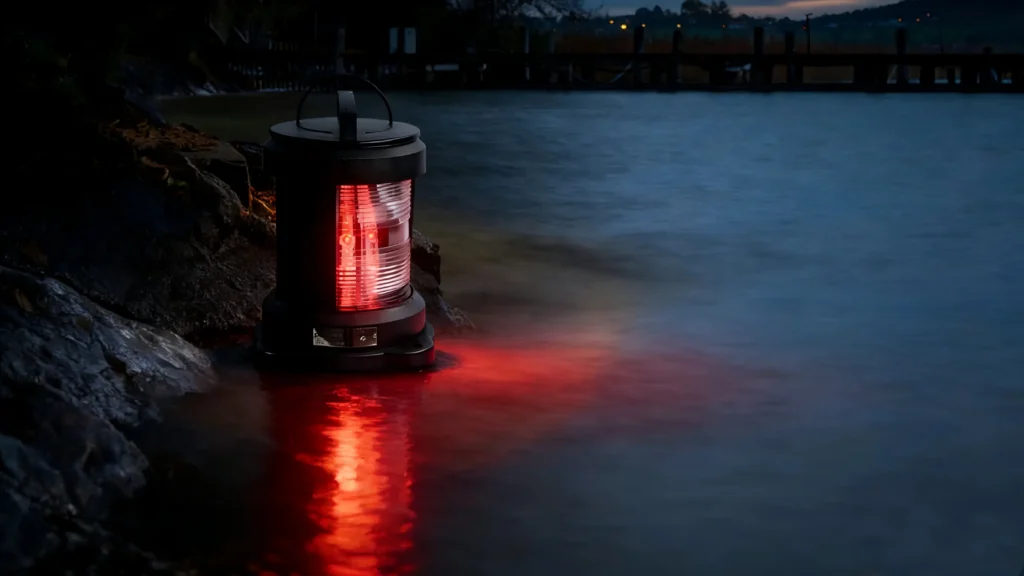
When the sun goes down or the fog is heavy, your ship’s safety depends entirely on visibility. Marine Navigation Lights is the primary tool for communication between ships under low visibility conditions.
However, the marine environment is very harsh. Salt water, ultraviolet light and constant vibrations are damaging electrical components. If you don ‘t take proactive steps to protect your systems, you may face the risk of suddenly failing them when they are most needed.
In this article, we ‘ll discuss how to protect your marine navigation lighting well.
The Three Important Purposes of Marine Navigation Lights
Determine the State of the Ship
The specific configuration of the lights tells other captains what your ship is doing:
- Under Power: The lights displayed by ships using engines are different from those of sailboats sailing only on sails.
- At Anchor: A 360-degree white anchor light signal indicates that you are stationary.
- Limited Maneuverability: A specific combination of lights warns other ships that you can’t easily avoid.
Indicate the Direction of Navigation
The color of the marine navigation light and the angle of illumination indicate the direction in which a ship is moving relative to you.
Red (port): Visible from the left. If you only see the red light, it means that the ship is passing from your right side to the left side (usually you must avoid it).
Green (starboard starboard): Visible from the right.
White (stern): Visible from behind. If you see this light, you are overtaking the ship.
Prevent Collision
The combination of state and direction enables the captain to make decisions in an instant to avoid accidents. Normally functioning marine navigation lights eliminate the unknown in the dark and ensure that the meeting arrangements (port to port or starboard to starboard) can be safely performed.
For more knowledge about the rules of use of marine lights, please read our article: Marine Navigation Signal Light Regulations and requirements.
Factors Might Harm Your Marine Navigation Lights
Why do marine navigation lights often fail? Knowing the risk is the first step in your vessel maintenance plan. The following damage is the main factor of marine navigation lights :
Salt Water Corrosion
Brine has high conductivity and corrosion. It will erode metal contacts, bulb sockets and wiring connections. Once salt crystals are formed inside the lamps, they absorb moisture from the air that causes a continuous corrosion cycle and result in voltage drops and failures.
Ultraviolet Radiation
Continuous exposure to sunlight can make plastic lenses brittle and cloudy (yellowing). Turbid lenses reduce the visibility of marine navigation lights and may cause your vessel to fail to meet the Coast Guard’s visibility requirements (e.g. 1 or 2 nautical miles).
Vibration and Physical Shocks
The ship jolted in the waves and the engine continued to vibrate. This physical pressure may:
- Breaks the incandescent filament.
- Loose the electrical connection.
- Make the lamp shell rupture.
Voltage Spikes
Marine electrical systems are usually unstable. Starting the engine or running high-power equipment may send voltage spikes to the system, burn sensitive bulbs or damage the circuit board of modern LED lights.
Generally, surge protective device can be installed in the distribution box to prevent that.
How to Protect Your Marine Navigation Lights to Extend Their Life?
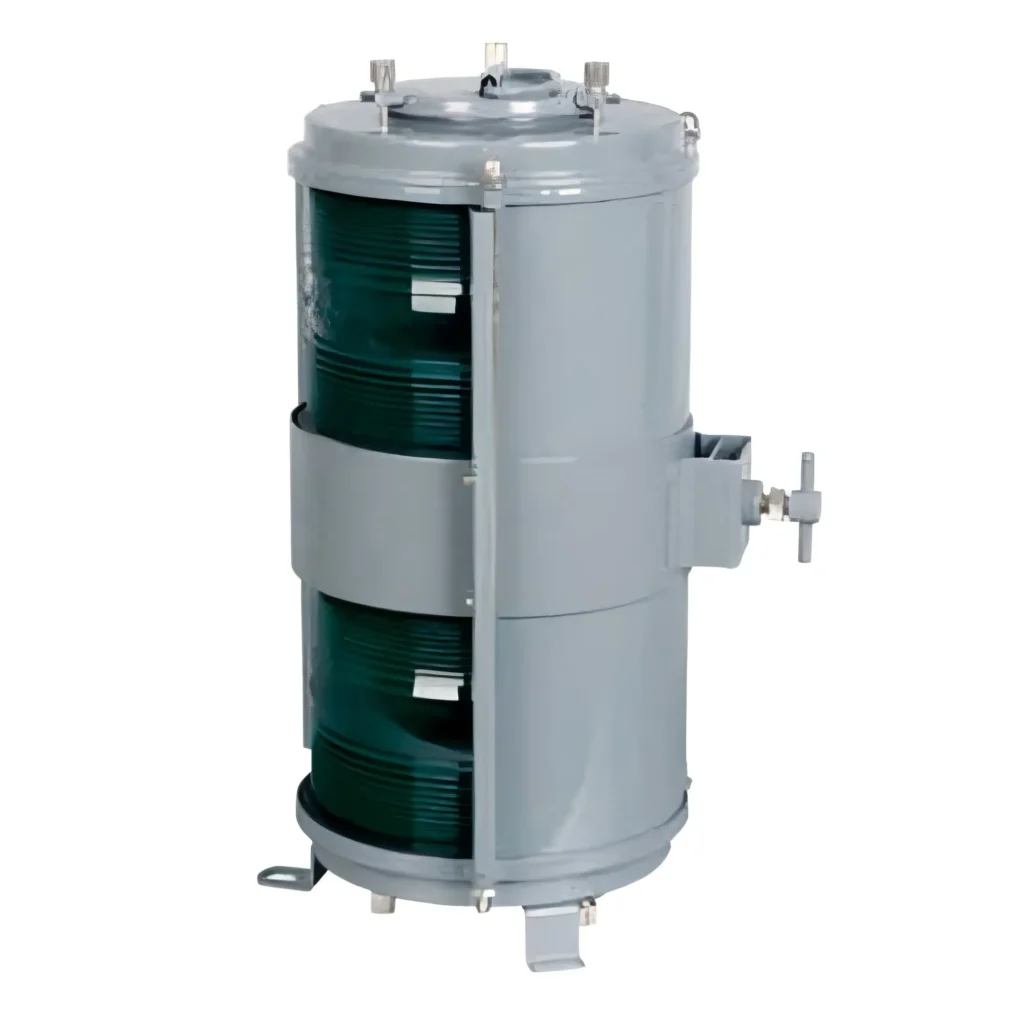
Now that we’ve identified the risks, here’s a step-by-step workflow to ensure that your ship’s navigation lights can withstand harsh environments.
Do A Good Job of Waterproof at the Connection
The number one cause of the fault is the water inlet at the wire joint.
Use Heat Shrink Tubing: Do not use standard electrical tape. Please use marine-grade heat shrinkable tubes with adhesive lining. When heated, it will release glue and seal the wire waterproof.
Dielectric Grease: Apply a small amount of insulating grease to the lamp base and socket. This non-conductive grease prevents water from touching the metal contacts while allowing the current to pass through the pressure point.
Inspect and Replace the Sealing Gasket
Most marine navigation lights have rubber or foam washers that are used to seal the lens on the shell. Over time, these washers will dry out and crack.
Check: Open the lamp once every season.
Repair : If the washer hardens or cracks, replace it. If you don ‘t have a replacement, you can use marine grade silicone sealant with care, but this will make it more difficult to replace bulbs in the future.
Keep the Lens Clean and Transparent
Dirty or oxidized lenses can pose a safety hazard.
Cleaning: Clean the lens with fresh water and mild soap after each trip to the sea to contact salt water.
Repair: If the plastic is yellowing due to UV damage, use a plastic headlamp repair kit to polish it to clear. If there is a deep crack, please replace the entire device to prevent water from entering.
Upgrade to LED Technology
Common Troubleshooting of Marine Navigation Lights
Use this table to quickly diagnose navigation lighting problems.
Marine Navigation Lights Troubleshooting Common Issues Table | ||
|---|---|---|
| Faults | Potential Factors | Solutions |
| The lamp lights off | No voltage | Check the Power |
| Poor contact with the lamp socket | Reinstall the lamp | |
| Starter failure | Turn the starter, if it fails to work, replace it | |
| Ballast failure | Measure and rule out with a multimeter | |
| The enlightenment troubles | The starter is damaged or not matched | Replace a matching starter |
| Voltage is too low | Check the power | |
| The ballast does not match | Replace a matched ballast | |
| Lamp aging | Replace a new lamp | |
| Both ends of the lamp are on, the middle is off | Starter contact short circuit or capacitor breakdown | Replace the starter |
| Ballast is noisy | The iron core piece is loose | Tighten the core |
| Poor quality of iron core | Replace ballast | |
| The power supply voltage is too high | Adjust the voltage | |
| Ballast overheating | Poor quality ballast | Replace ballast |
| Poor starter, long trigger time | Replace the starter |
Fault Phenomenon 1: The Light Is Not On
The most frequent question for help is that the lights are completely off, usually when the ship is first used after the change of season.
Possible Reasons:
- Bulb Burning : Although obvious, it is still the first major reason (especially old marine incandescent lights).
- Contact Point Corrosion: The seawater environment causes the metal contacts in the socket to be oxidized and rusted that block the current.
- Fuse Fuses: Circuit overload or short circuit.
- Pole Light Pin Break: Many users mentioned that the pins at the bottom of the plugs for stern light or bow lights are easily stuck in the base and break.
- Switch Failure: internal contact corrosion of the switch on the dashboard.
How to Solve:
- Visual Inspection: First check whether the lamp filament is broken. If it is a plug-in lamp, check whether the two metal pins at the bottom are still there.
- Multimeter Test (Voltage): Remove the bulb and use the multimeter to measure whether the lamp seat contact has a 12V voltage.
- If there is 12V: to prove that the line is fine, replace the bulb or clean the marine navigation lights holder contacts (with sandpaper or contact cleaner).
- If there is no 12V: Check the fuse box. If the fuse is intact, check whether the wiring behind the switch is electric.
- Check the Base: If it is a plug-in light pole, use a fine needle or dental tool to check whether there is a broken pin residue in the base hole.
Fault Phenomenon 2: Flickering/Intermittent
Many users often complain: Shoot the hull, it is bright, after a while it is destroyed.
Possible Reasons:
- Bad Ground: The Bus bar on board the ship is prone to corrosion that result in unstable circuits.
- Lamp Seat Spring Fatigue: The spring at the bottom of the lamp seat loses elasticity that results in the inability to tighten the lamp seat.
- LED Drive Failure: If it is a marine LED light, fast stroboscopic is usually the internal drive circuit board is damp or damaged, rather than the marine LED light itself.
- Loose Connection: Ship vibration causes the cap or terminal to loosen.
How to Solve:
- Shake Test: When the light is on, gently shake the wire or bulb. If flicker, indicating poor contact.
- Cleaning and Fastening: Remove the lamp, scrape off the green copper rust (Patina) on the terminal and re-compact the terminal.
- Check the Ground Wire: Track the black negative line to ensure that its connection on the bus bar is fastened and non-corrosive.
- Replacement of LEDs: If the marine LED light is strobe and the voltage is stable (12V +), it is usually impossible to repair, and it is recommended to replace the entire lamp directly.
Failure Phenomenon 3: Dim Light
This problem is more common in old incandescent light systems.
Possible Reasons:
- Voltage Drop: Wire aging oxidation, increased resistance that results in less than 12V (possibly only 10V or less) of voltage reaching the bulb.
- The Wire Specification is too Small: Before the ship owner DIY used too thin wire, unable to carry long distance transmission.
- Grounding Corrosion: The same is the grounding problem, high resistance leads to partial pressure.
How to Solve:
- Measurement Voltage: Measure the load voltage at the light holder (in the light on state). If the reading is significantly lower than the battery voltage (e.g., less than 11.5V), the line has a high impedance.
- Temporary Bridging Test: a long wire is directly connected from the battery negative to the lamp holder negative. If the light becomes bright, it indicates that the grounding wire of the original ship has problems and needs to be rewired.
- Upgrading LEDs: If you don’t want to rewiring, the team of experts at BOZHOU suggest that switching incandescent lights to marine LED light with a wide voltage range can often solve the problem of darkness, as marine LED lights are insensitive to voltage drops and have minimal current requirements.
Regarding the benefits of upgrading marine LED lights, please read our article: Marine LED vs Incandescent Cost Savings.
Fault Phenomenon 4: Moisture in Lens
Possible Reasons:
- Gasket Failure: Rubber gasket dry crack or flattening failure.
- Improper Installation: Many users pointed out that some ship owners have reversed (up) the side with drainage holes, or installed on the curved surface to cause the light holder to deform and create gaps.
- The Wire Inlet is not Sealed: water enters the back of the lamp through the hole of the hull along the wire.
How to Solve:
- Drainage and Drying: Remove the lampshade, pour out the accumulated water and completely blow dry with a hairdryer.
- Check the Sealing Ring: check the rubber ring is intact. If you can’t buy original accessories, BOZHOU Marine recommend using marine silicone self-sealing.
- Anti-siphoning: Seal the wire where it passes through the hull and make sure the wire has a drip loop to prevent water from flowing into the luminaire along the wire.
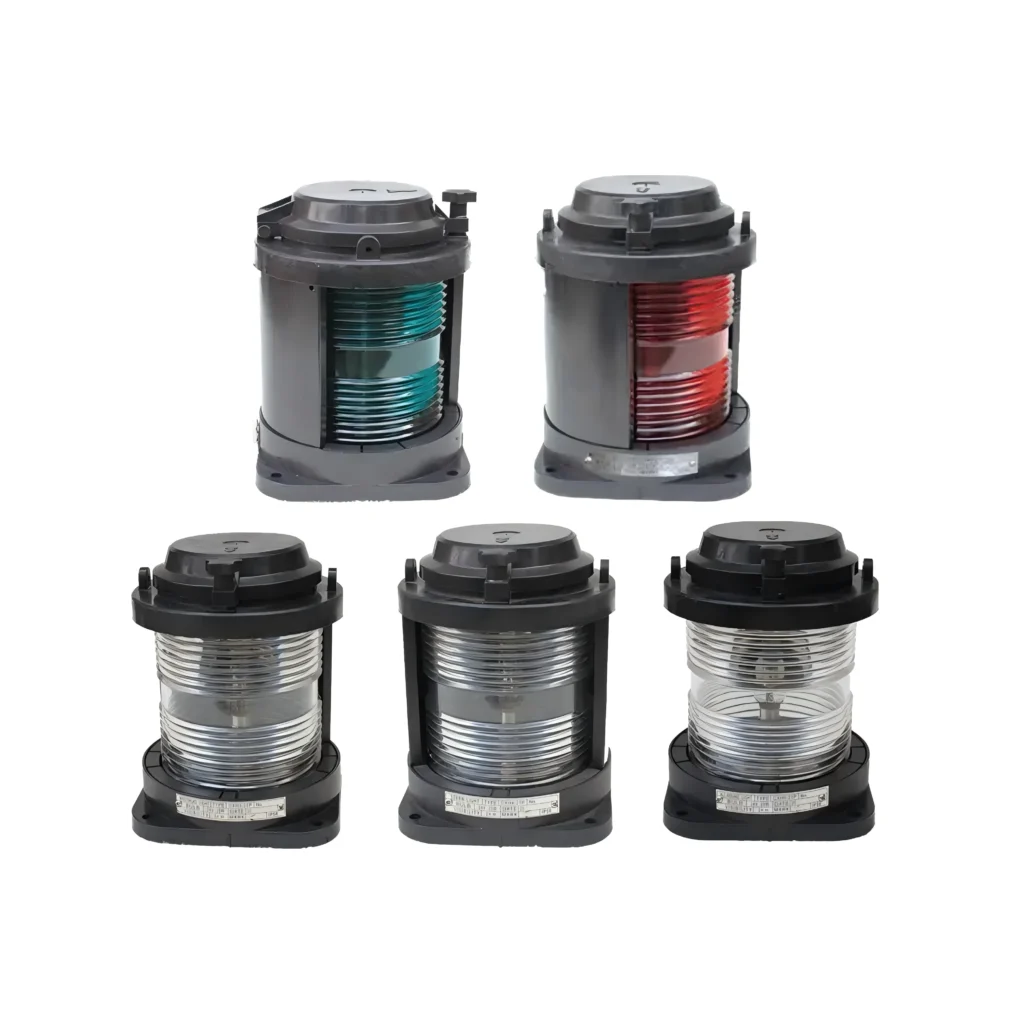
Why Is Certification of Marine Navigation Lights Important?
When buying replacements, you can’t simply buy a generic red light or green light. In order to meet the legal requirements, marine navigation lights must be certified.
In the United States, please look for USCG Approval (approved by the U.S.Coast Guard) or ABYC A-16 certification printed on the lamp housing. Internationally, please look for EN 14744 or COLREG 72 compliance signs. These certifications ensure that marine navigation lights meet the following specific standards :
- Color Accuracy: Red must be a specific sector red, not orange.
- Cut-off Angle: Lights must not overflow to sectors that should not be visible.
- Intensity: Lighting must be visible within the required distance (usually 2 nautical miles for ships below 12 meters).
Cheap unbranded lamps usually cannot pass these tests and you will face legal risks in the event of an accident.
Upgrade Your Lighting System with BOZHOU Marine Navigation Lights
Regularly checking sealing washers, using insulating grease and upgrading to sealed LED units not only save you on replacement costs, but also ensure that you remain visible and safe when you press the switch at dusk. Don ‘t wait until trouble at sea – check your lighting system today. If you need to upgrade your lighting system, please contact us, we will give a professional marine lighting upgrade solution.