Saltwater, humidity, extreme weather and harsh marine environments present significant challenges to the maintenance and inspection of lighting systems. Regular maintenance and inspection of marine LED lighting are crucial that ensure reliability, prevent malfunctions and comply with international maritime regulations.
The Importance of Marine Lighting Systems
The following table outlines the multifaceted importance of marine LED lighting in ensuring the safe and effective operation of ships.
| Aspect | Description |
| Safety | – Ensures visibility of vessels during night or low visibility conditions. – Prevents accidents by making the vessel’s position, direction and movement clear to others. |
| Navigation | – Helps in determining the vessel’s position and course. – Essential for safe maneuvering and avoiding collisions, particularly in crowded or challenging waters. |
| Compliance | – Required by international maritime regulations such as those set by the IMO. – Ensures that vessels meet legal standards for visibility and signaling. |
| Operational Efficiency | – Enhances visibility for onboard tasks, improving crew efficiency and safety during nighttime operations. – Critical for safe docking, mooring and cargo handling. |
| Emergency Preparedness | – Provides essential illumination during emergencies such as power outages or onboard incidents. – Helps guide rescue operations and ensures safe evacuation procedures. |
| Communication | – Acts as a signaling method to communicate with other vessels and port authorities. – Conveys vessel status such as being anchored, under way or in distress. |
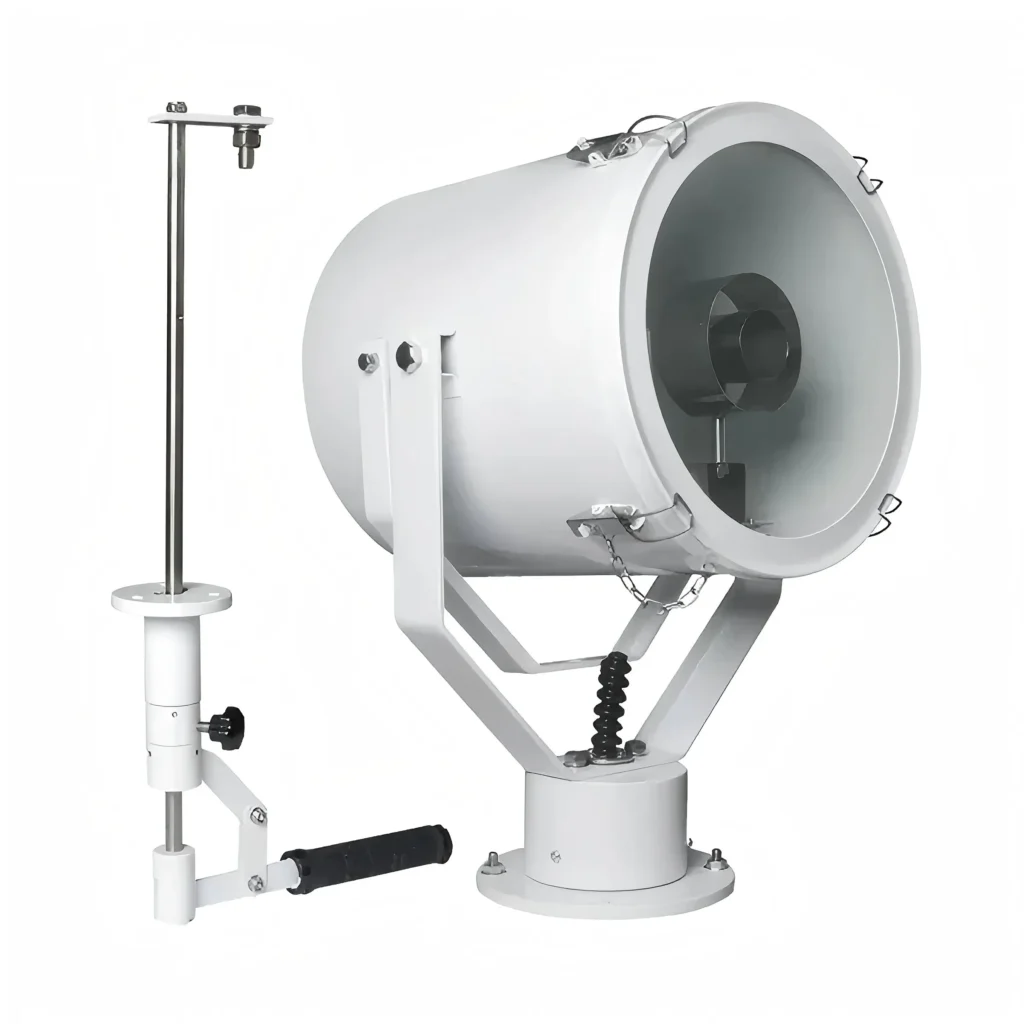
Installation Steps for Led Marine Lights
The installation details for different types of marine led lights (such as led marine navigation lights, cabin lights and deck lights) may vary, but generally the following core steps will be followed:
Planning and Preparation
The installation location, color and arc of navigation lights must comply with collision avoidance rules.
– Confirm Installation Location and Specifications: Determine the location based on the ship type and light function (e.g., navigation lights, deck lights) that ensure compliance with regulations regarding safe distances, height and arc angle.
– Select Appropriate Fixtures and Materials: Choose marine-grade products. Pay attention to IP protection ratings especially for outdoor and underwater lights such as IP68 and voltage matching (commonly 12 volt led marine cabin lights/24V volt led marine cabin lights).
– Prepare Tools and Check: Prepare a drill, screwdriver, wire stripper, marine-grade wire, waterproof connectors, sealant, etc. Check that the lights are in good working order.
Installation and Fixture
Fix the led lights for marine to withstand ship vibrations. Magnetic portable mounting is suitable for temporary needs.
– Cleaning and Measurement: Thoroughly clean the installation surface that ensures it is dry, flat and free of oil. And then measure and cut the LED strip.
– Fixture Fixture: Securely install the lights using appropriate methods (bolts, brackets, adhesive backing, aluminum channels) according to the type of fixture (fixed, recessed, LED strip, etc.) and mounting surface. Take care to avoid glare and obstruction of light arcs.
Electrical Connections
The navigation light control box should have dual power supplies and a fault alarm.
– Safe Power Off: Turn off the power before operating.
– Proper Wiring: Use marine-grade tinned copper wire, with the wire diameter matched to the load. Wiring should be neat and secured with cable ties or cable trays that avoid sharp objects.
– Correct Wiring: Use waterproof connectors and pay attention to polarity (positive “+” connects to the red wire; negative “-” connects to the black wire) to ensure a secure connection.
Waterproofing and Sealing
Waterproofing is important for the lifespan of marine lights and seals should be checked regularly.
– Key Component Sealing: Strict waterproofing and moisture-proofing treatment is applied to cable entry points, housing joints and fixing screws using waterproof cable connectors (gluing rings), rubber gaskets/O-rings and marine sealant.
Testing and Adjustment
Functional testing is recommended before each voyage.
– Functional Testing: Test the operation, brightness and control of the lights to ensure they function properly.
– Beam Adjustment: Adjust the beam angle to ensure the arc range meets requirements and there are no undesirable glare or blind spots.
– Final Inspection: Check that all connections are secure and clean the site.
Inspection Procedure for Marine LED Lighting
| Maintenance | Key Operations and Checkpoints | Purpose and Standards |
| Regular visual inspection | Integrity: Check the lampshade and lens for cracks, damage or yellowing due to aging. | To detect physical damage in advance, prevent the intrusion of moisture and corrosive gases and ensure the stability of the lighting fixtures. |
| Sealing: Check whether the waterproof gasket and cable inlet seal (cable ring) are aged or cracked and whether the outer casing is corroded or has moisture. | ||
| Stability: Check if the mounting bracket and screws are loose, and if the lamp body is wobbling. | ||
| Cleaning and descaling | Lens cleaning: Clean the lampshade with a soft cloth and a mild detergent (such as isopropyl alcohol) to remove salt stains and dirt. | To ensure optimal lighting effects and visibility; prevent light attenuation and ensure good heat dissipation for LEDs. |
| Reflector cleaning: Clean the metal reflector to restore its reflective efficiency. | ||
| Heat sink cleaning: Remove dust and oil from the heat sink of LED lights. | ||
| Electrical system inspection | Wiring and terminals: Check that the wiring terminals are secure, not loose and free from corrosion (green copper rust). | To prevent short circuits, open circuits and fire risks; ensure the stability and reliability of electrical systems. |
| Insulation and cables: Inspect the insulation layer of the wires for damage, aging or embrittlement. | ||
| Grounding: Ensure all metal light fixtures are properly grounded. | ||
| Special inspection of navigation lights | Light arc and angle: Confirm that the angle of the sunshade of the port and starboard side lights (red and green) is correct and that the light arc range meets the specifications. | To meet the mandatory requirements of the International Maritime Collision Prevention Regulations (COLREGs) and ensure navigational safety and avoid legal risks. |
| Alarm test: Test the sensitivity of the fault alarm function on the navigation light control panel. | ||
| Spare bulbs: Check and ensure that navigation lights with spare bulbs can be switched on quickly. |
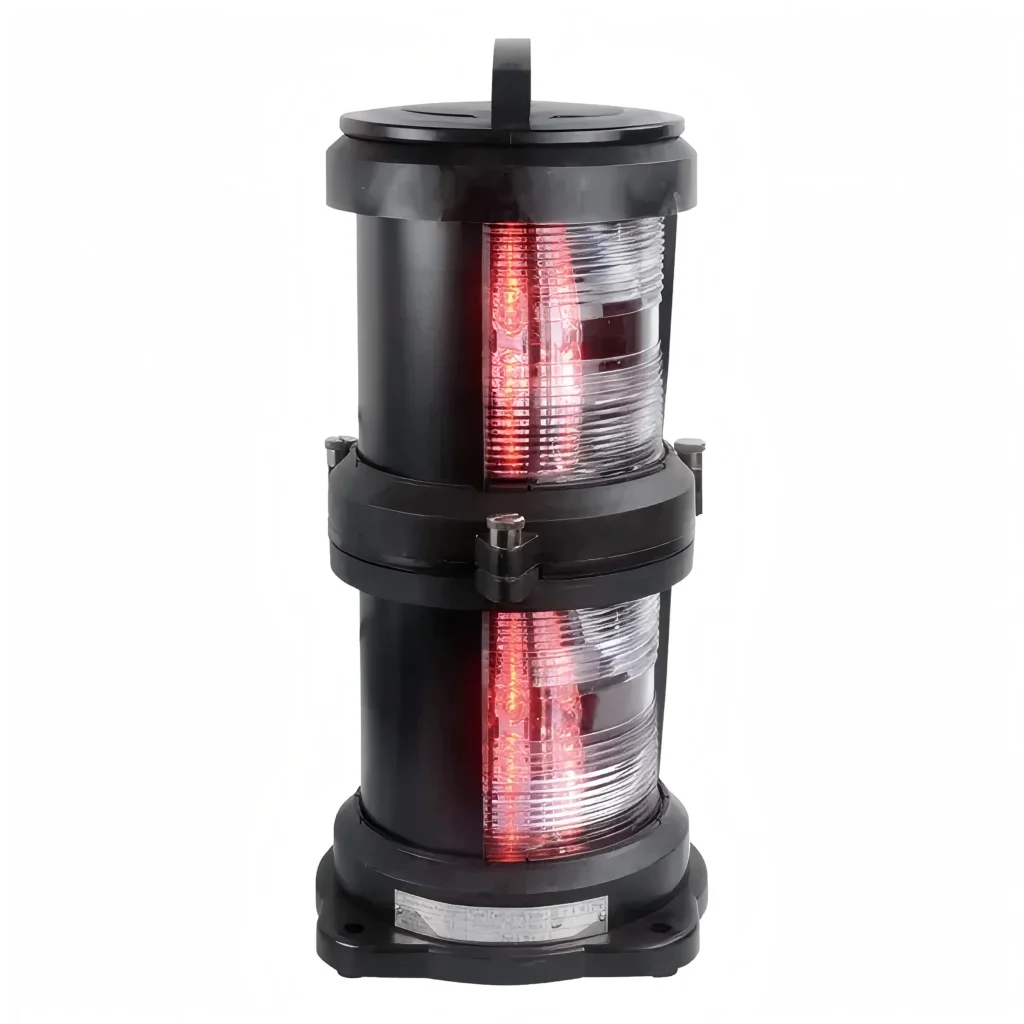
Key Maintenance Measures for Marine LED Lighting
Power Off Operation: Always turn off the power before performing any cleaning, wiring or replacement operations.
Use Marine-Grade Spare Parts: When replacing lamps, seals or connectors, marine-grade products always are selected to ensure their corrosion resistance and water resistance.
Choose the Right Sealant: When resealing, marine-grade silicone sealant should be used. Avoid using ordinary glass glue that releases corrosive acetic acid.
Prevent Static Electricity: When handling LED modules, please take precautions against static electricity to avoid damaging sensitive electronic components.
Following these system maintenance measures can not only significantly extend the service life of ship lighting equipment and reduce replacement costs, but more importantly it can provide reliable safety assurance for every voyage.
Choose High-Quality Marine LED Lighting Products from Bozhou Marine
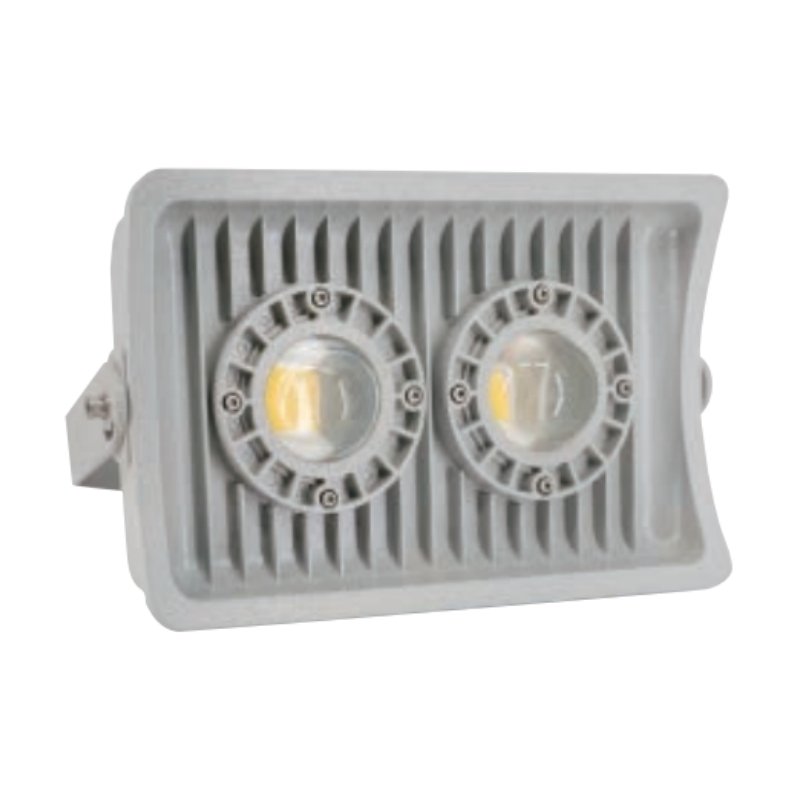
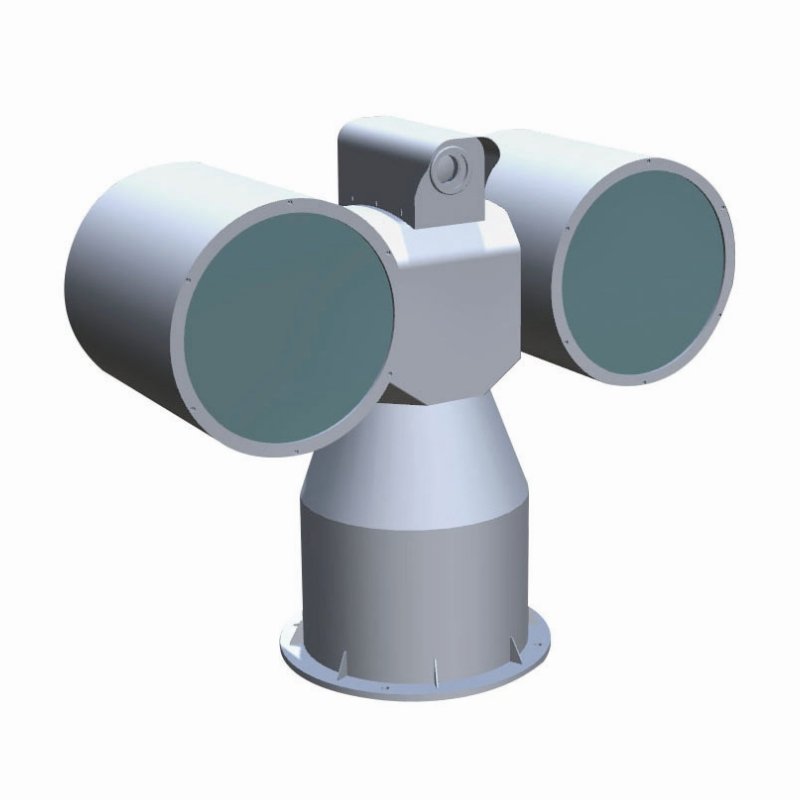
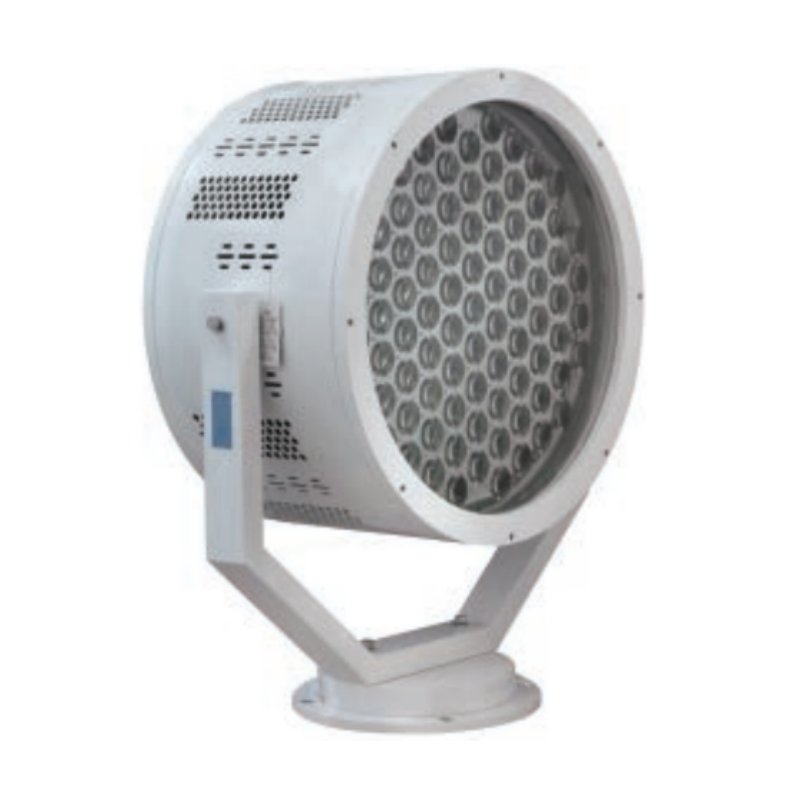
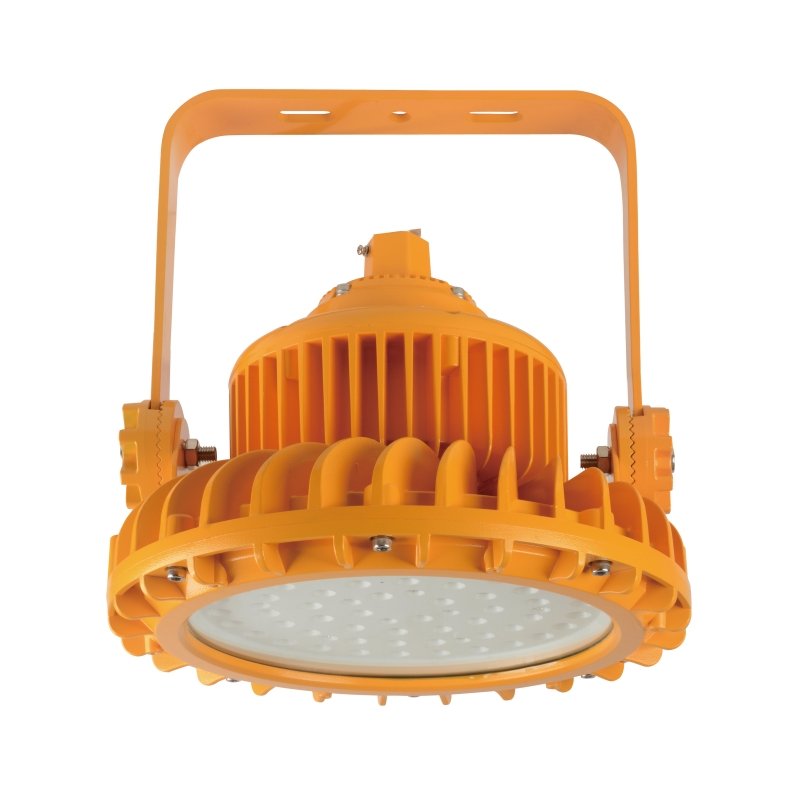
Bozhou Marine specializes in the production and sales of various types of marine electrical lighting equipment including marine navigation lights, marine fluorescent lights, marine led flood lights and searchlights, marine explosion-proof lights and marine electrical connectors. We provide comprehensive, professional and serialized services to ensure that our products meet user needs and that your vessel remains lit and safe in any environment.